Organizing the Car Care Industry that Simplifies Car Maintenance.
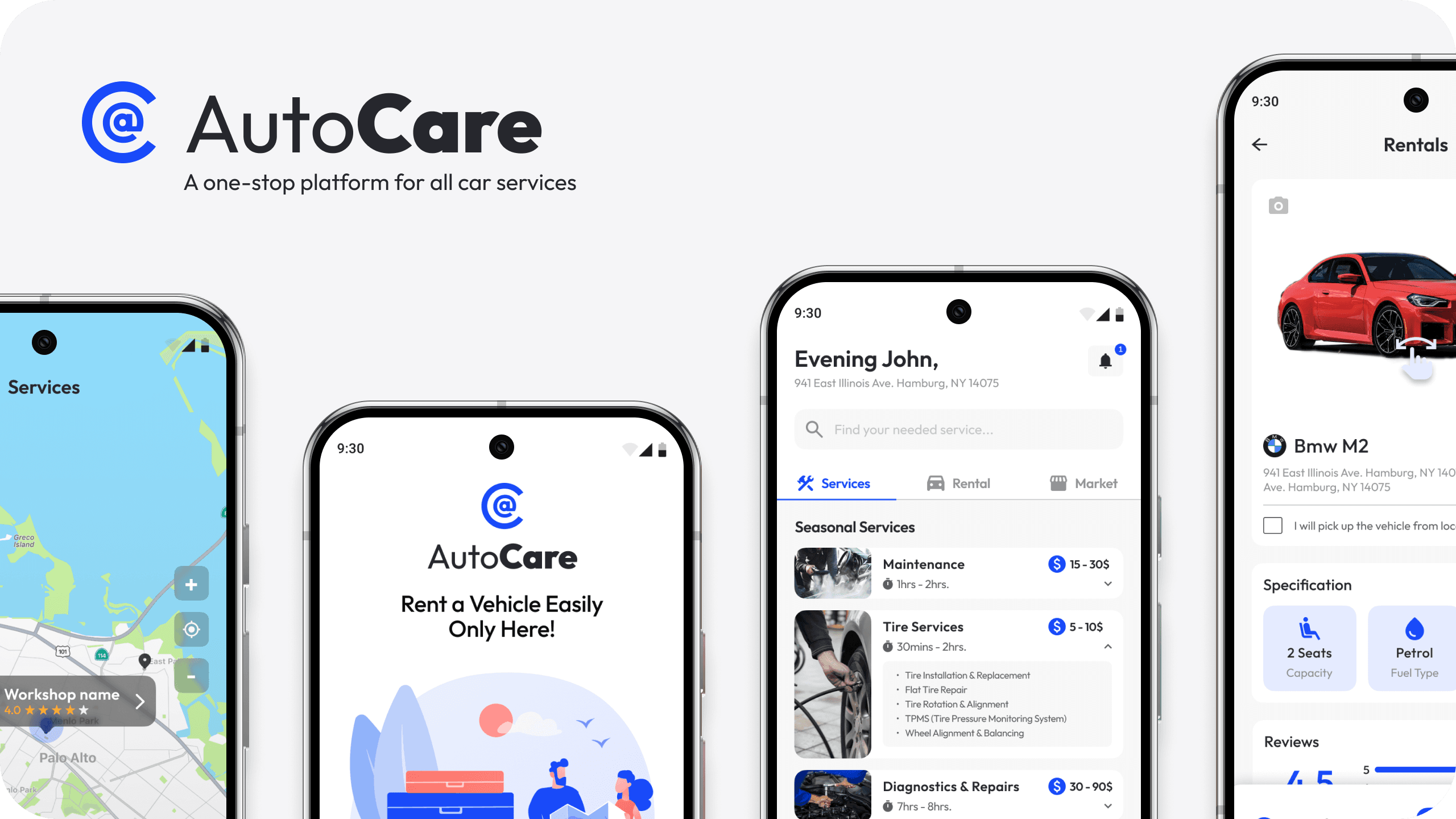
I led the UI/UX design for this project, focusing on creating a seamless digital experience to simplify car care services.
Platform
Mobile
Skills
Product Design
UX Research
UI Design
My Role
Design Lead
Timeline
3 Weeks
45%
Reduction in service booking time.
63%
Users felt more confident in choosing service
37%
Users found the app more user-friendly
In today’s fast-paced world, car owners face multiple challenges in maintaining, repairing, and renting vehicles. The process is often fragmented, time-consuming, and lacks transparency. This case study presents, a mobile platform designed to streamline car care services by integrating service booking, parts purchasing, and vehicle rentals into a single, user-friendly app.
My Design Approach
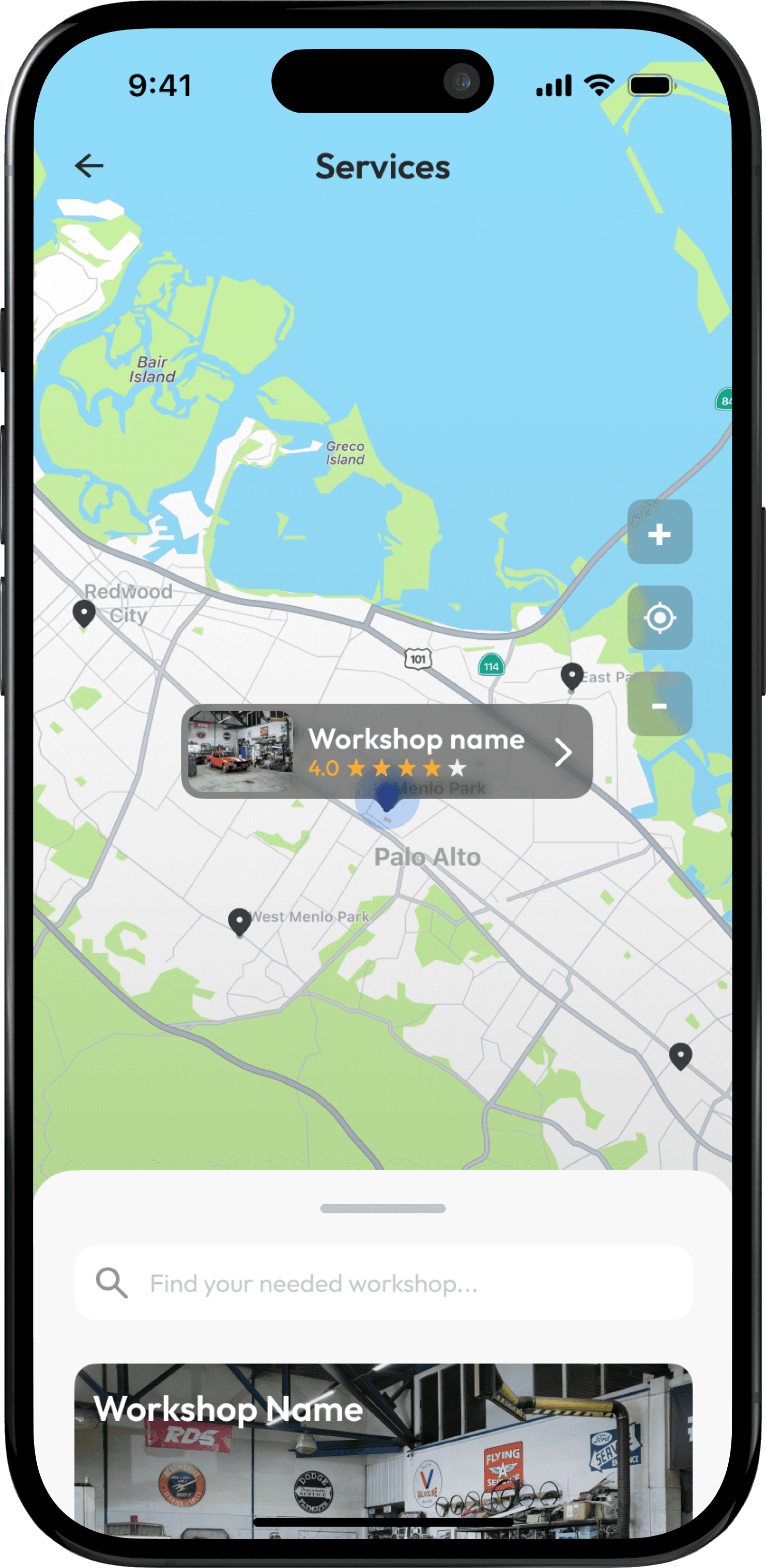
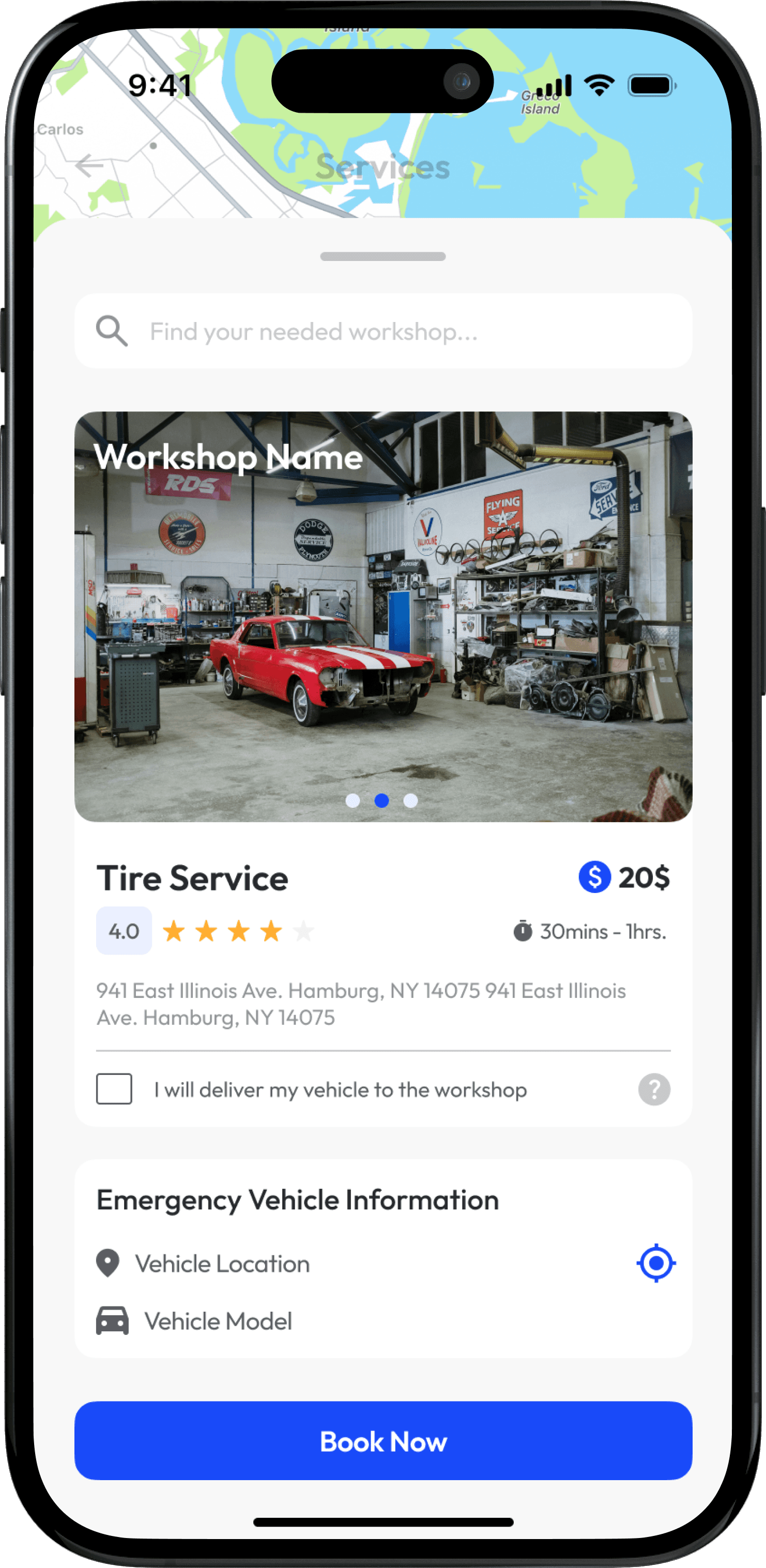
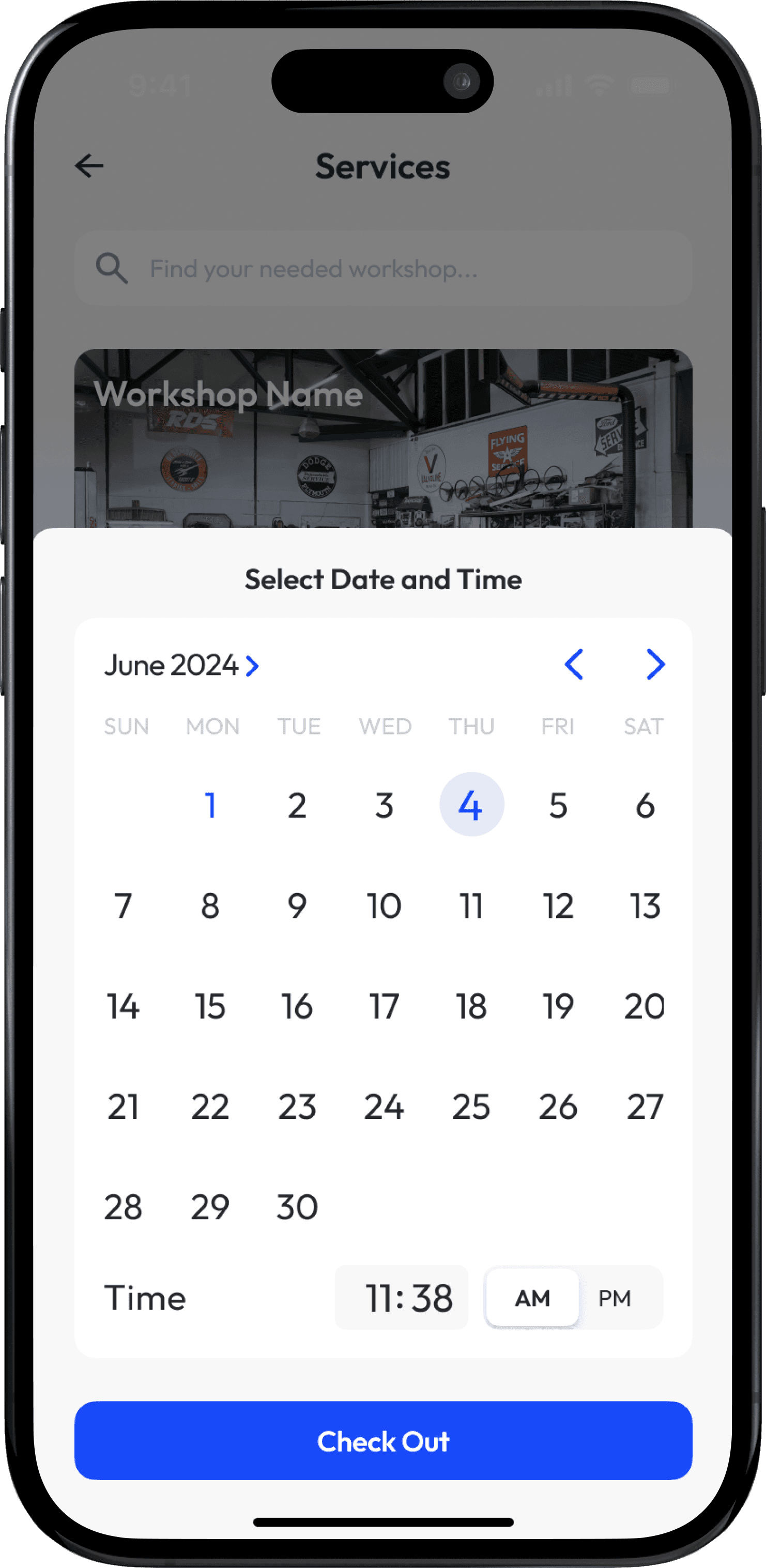
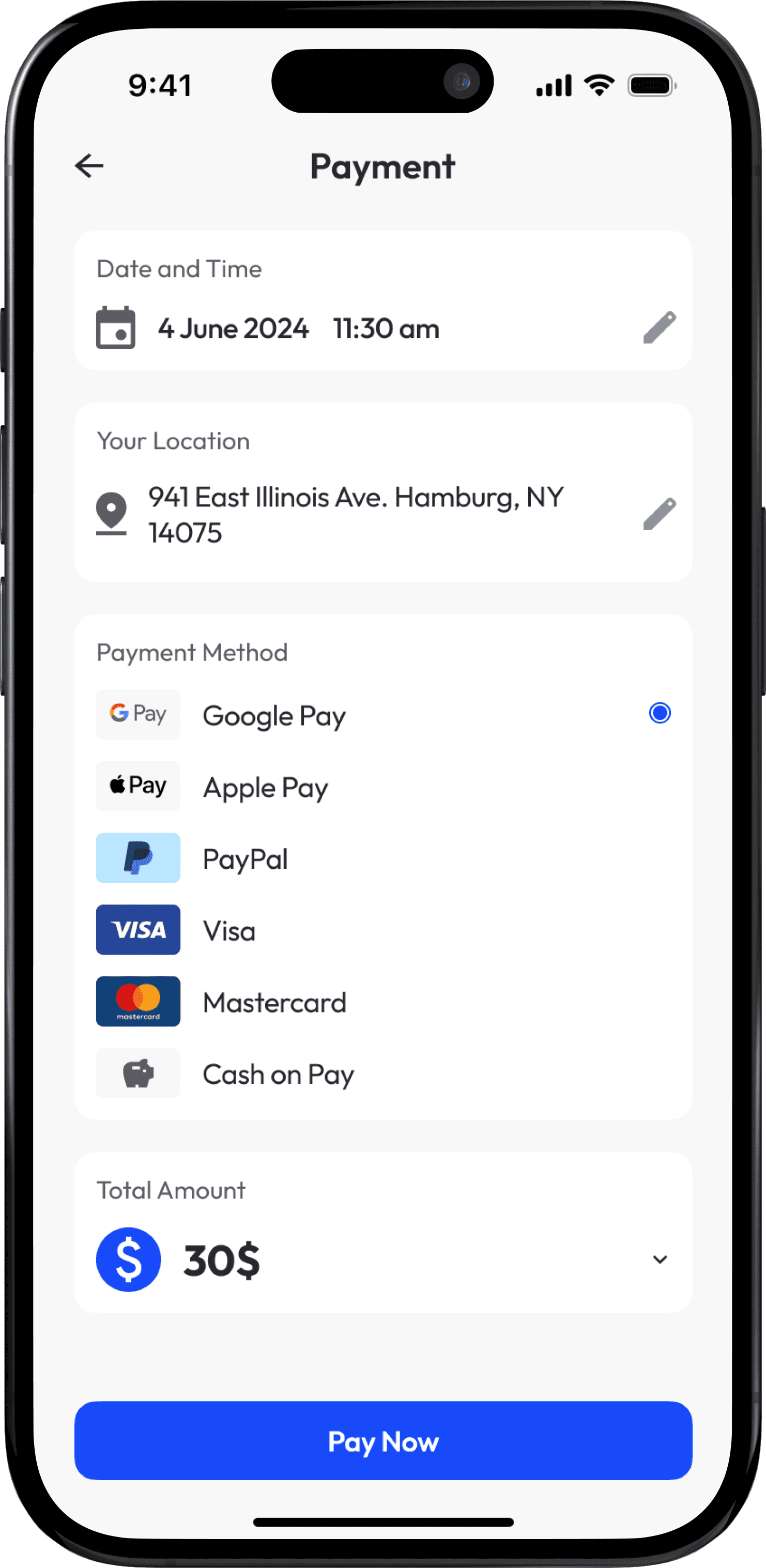
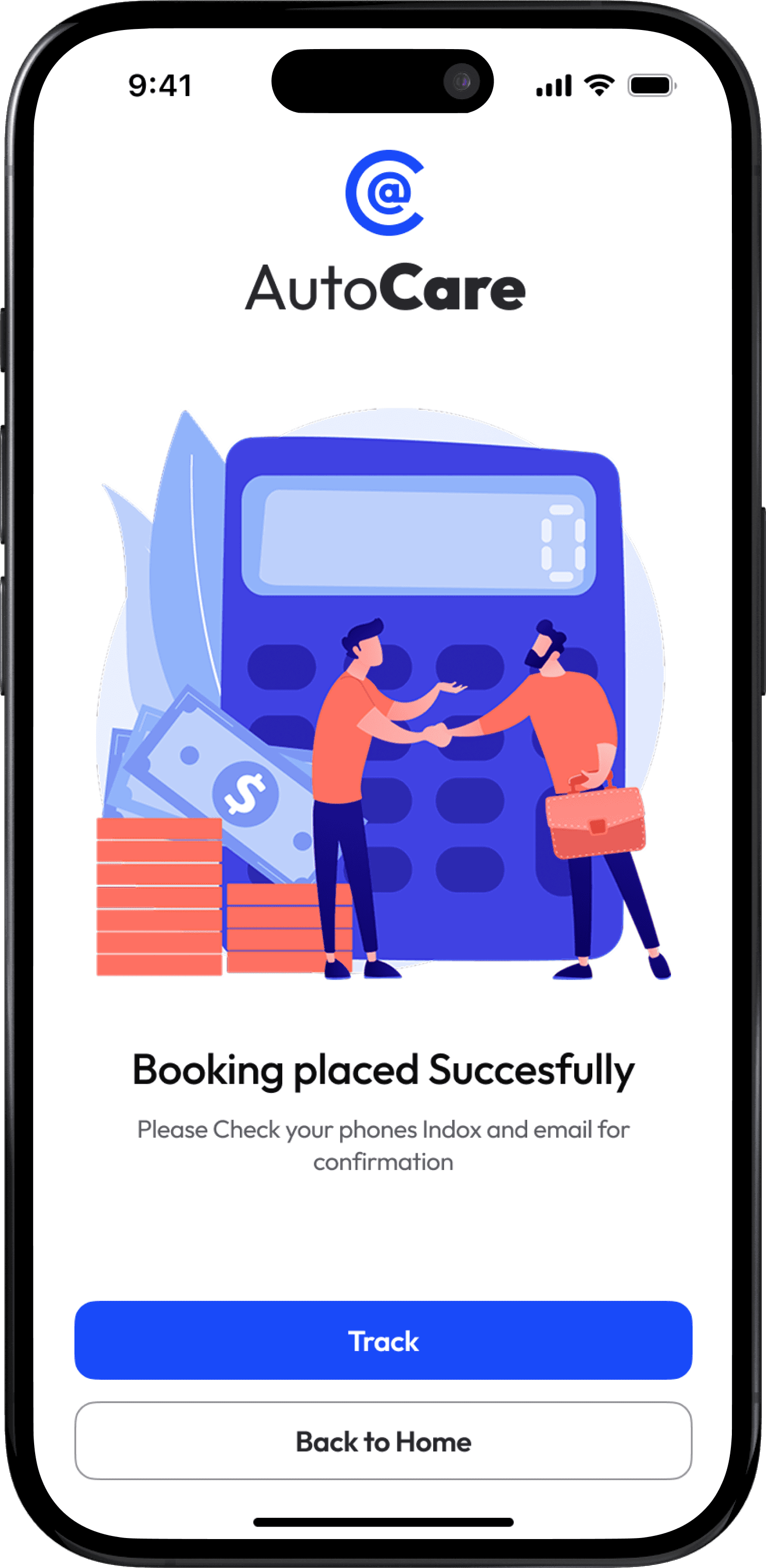
My design approach places a strong emphasis on the platform's core features, ensuring car owners can seamlessly book services, purchase car parts, and rent vehicles. This includes essential steps such as selecting a service, making payments, tracking progress, and receiving post-service support. By streamlining these processes, the platform enhances user experience, builds trust, and improves overall efficiency in car care management.
Challenges in the Car Care Industry
Lack of Trust – Unverified mechanics, unclear pricing, and unreliable parts create hesitancy.
Time-Consuming Processes – Traditional methods require phone calls or in-person visits.
Poor Communication – Many garages lack real-time service updates.
Limited Accessibility – Smaller cities lack convenient options for car rentals and repairs.
Fragmented Services – Users struggle to navigate disparate services for repairs, parts, and rentals.
Takeaways
The car care industry’s fragmented ecosystem frustrates users, creating demand for a unified, transparent solution.

Key Findings
Fragmented Services
Time Consuming Processes
Poor Communication
Lack of Trust
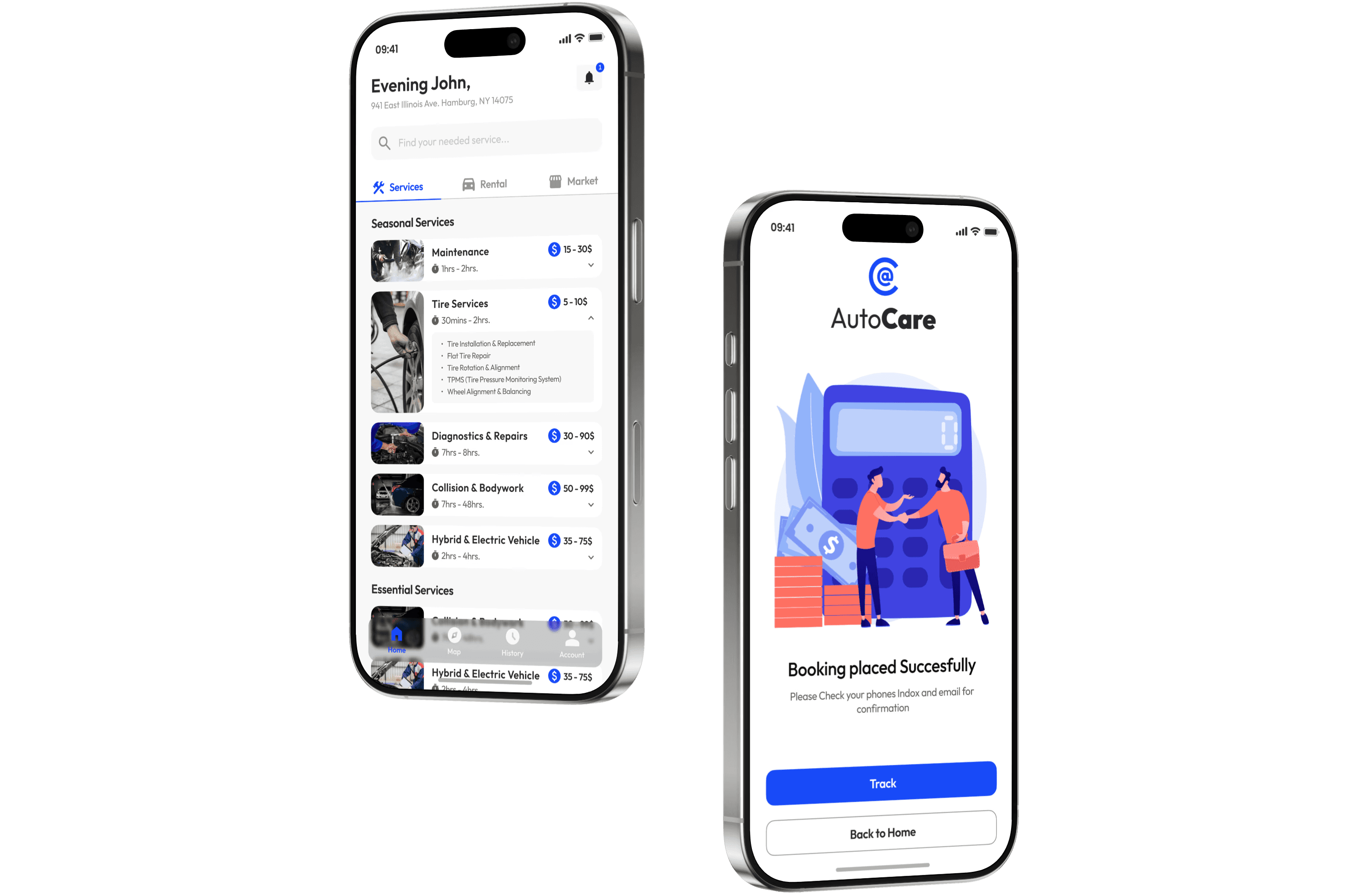
AutoCare a comprehensive mobile app that integrates all car-related services in one place.
Key Features
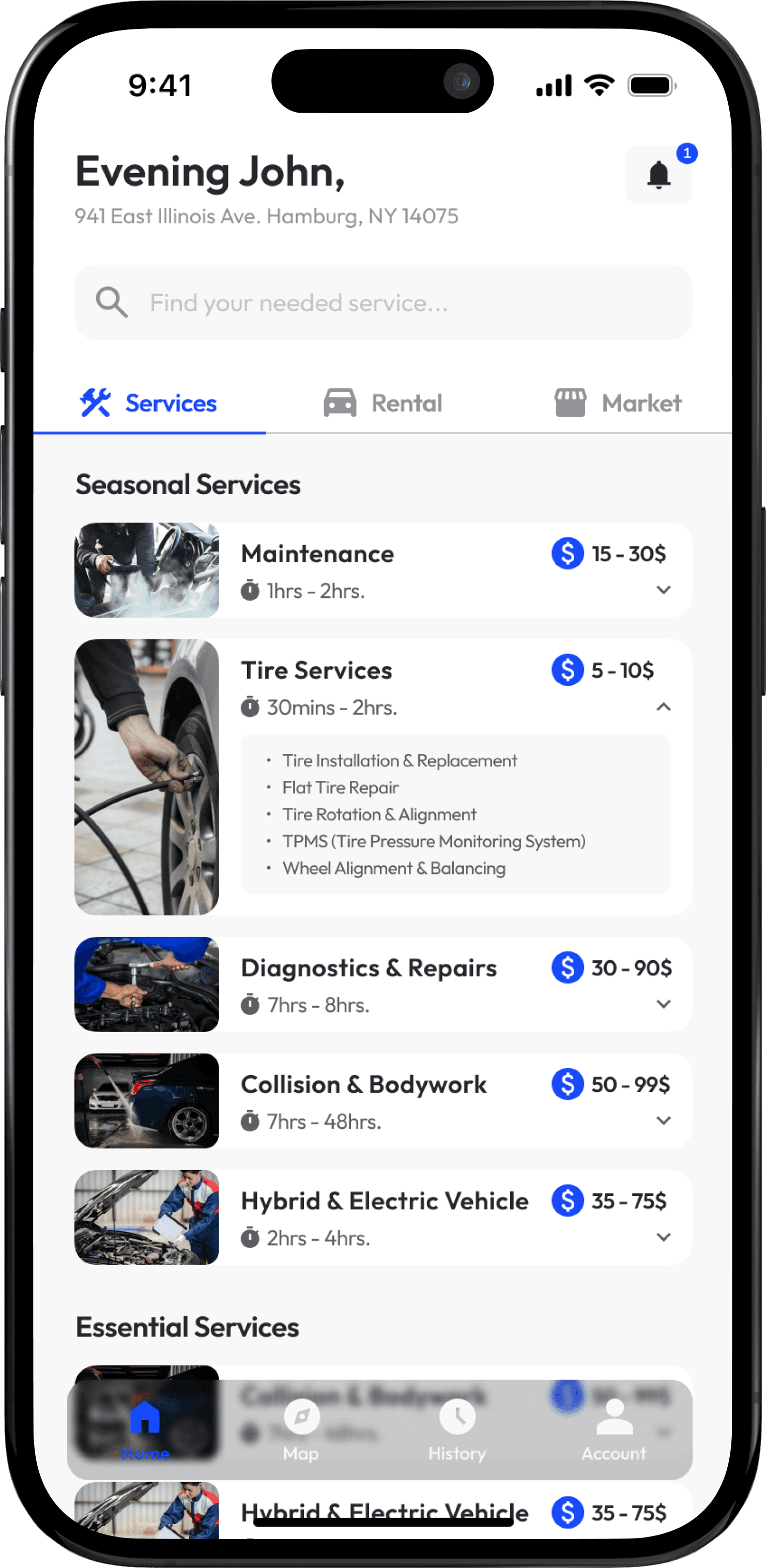
Seamless Service Booking – Schedule repairs, servicing, or maintenance at trusted garages.
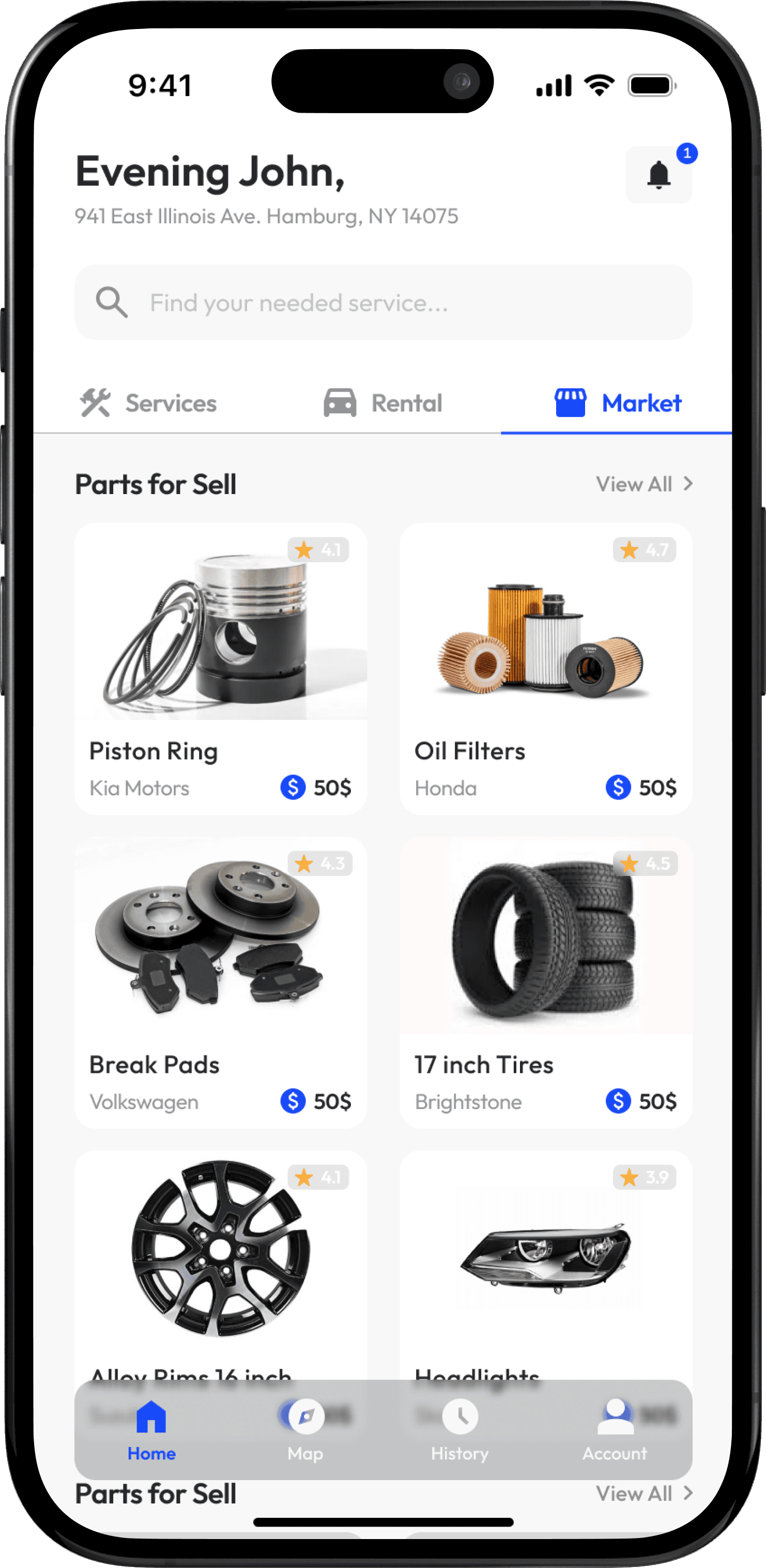
Parts Marketplace – Browse and purchase verified spare parts.
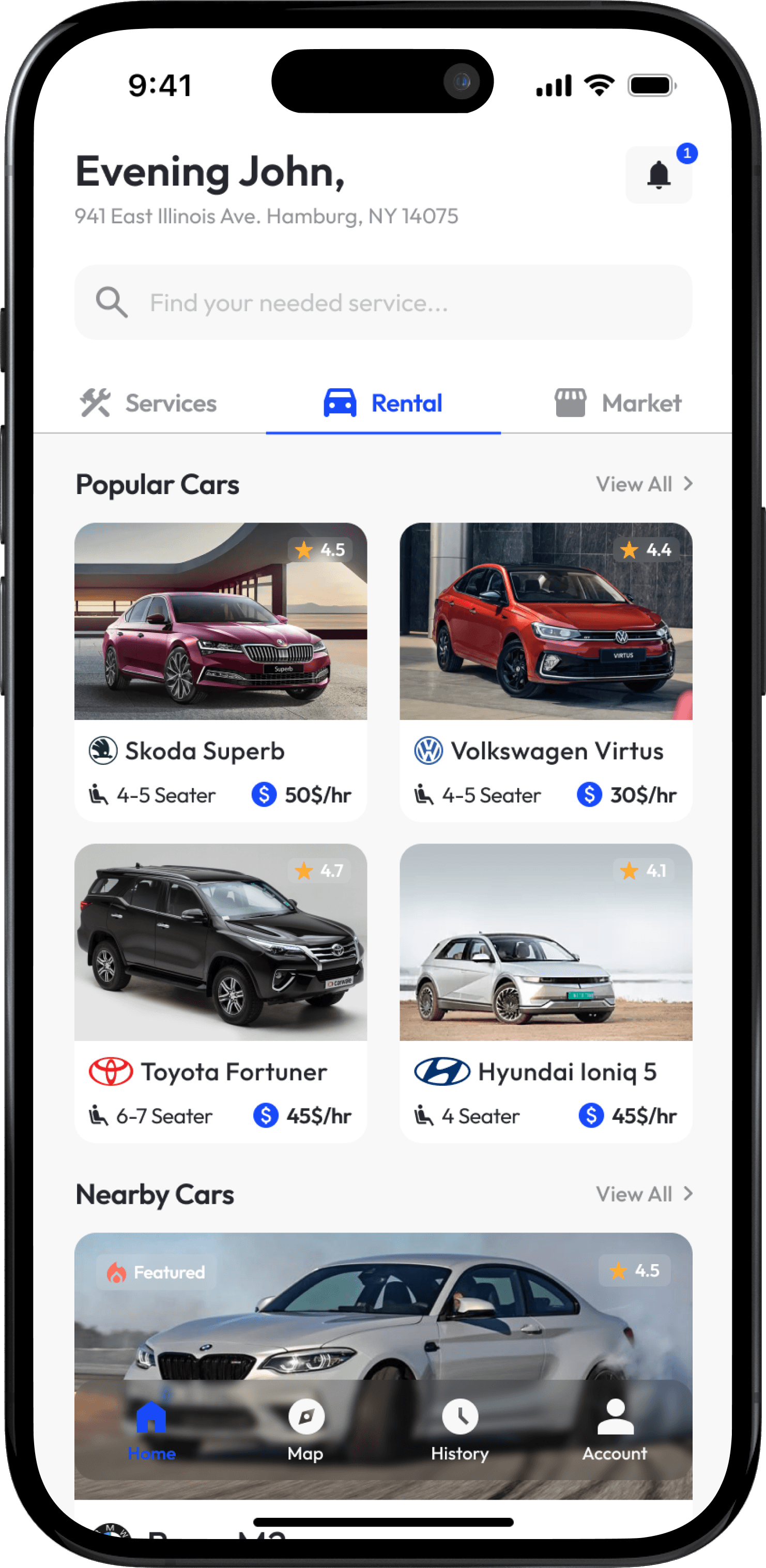
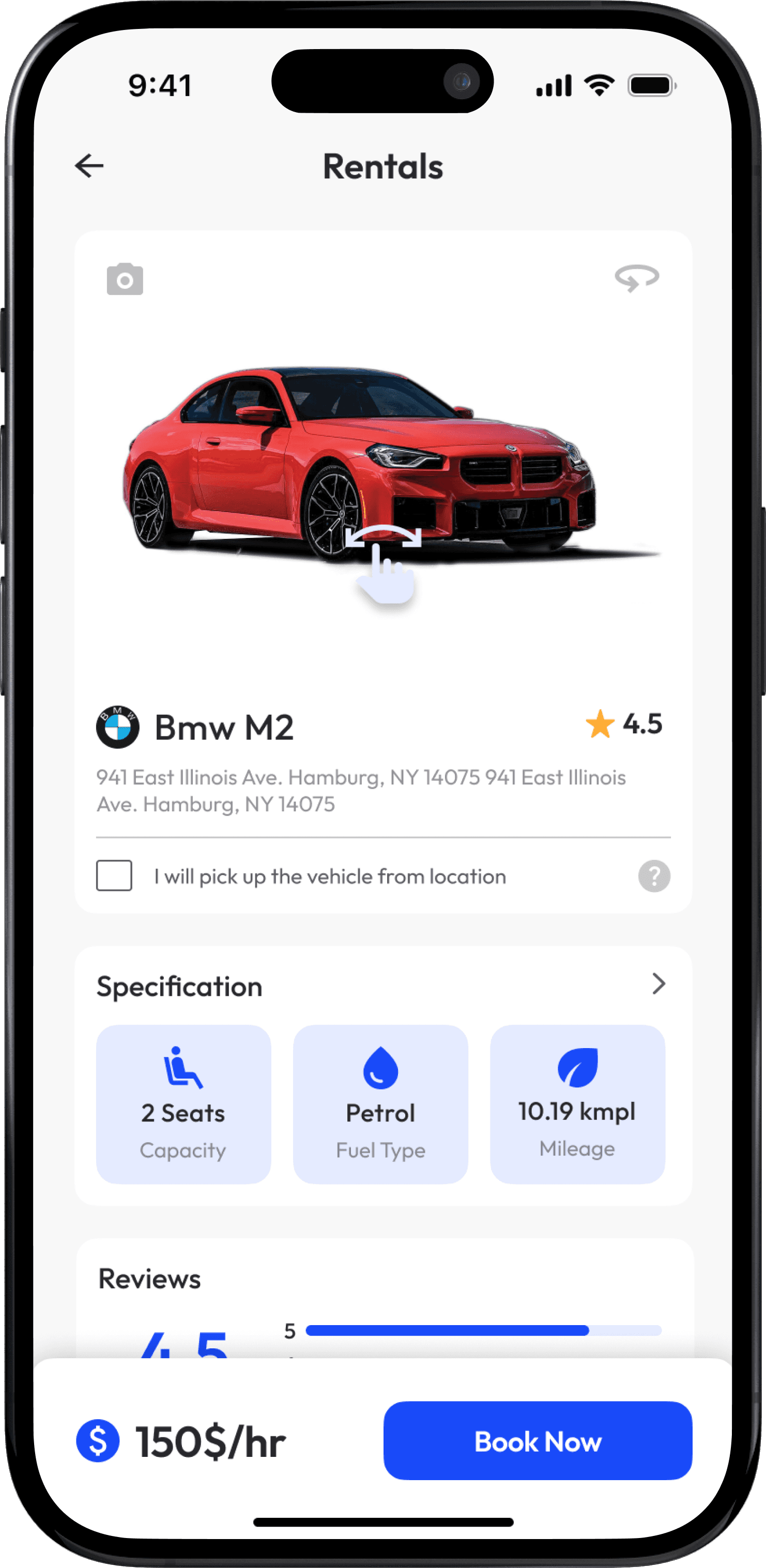
Car Rentals – Rent vehicles with flexible terms.
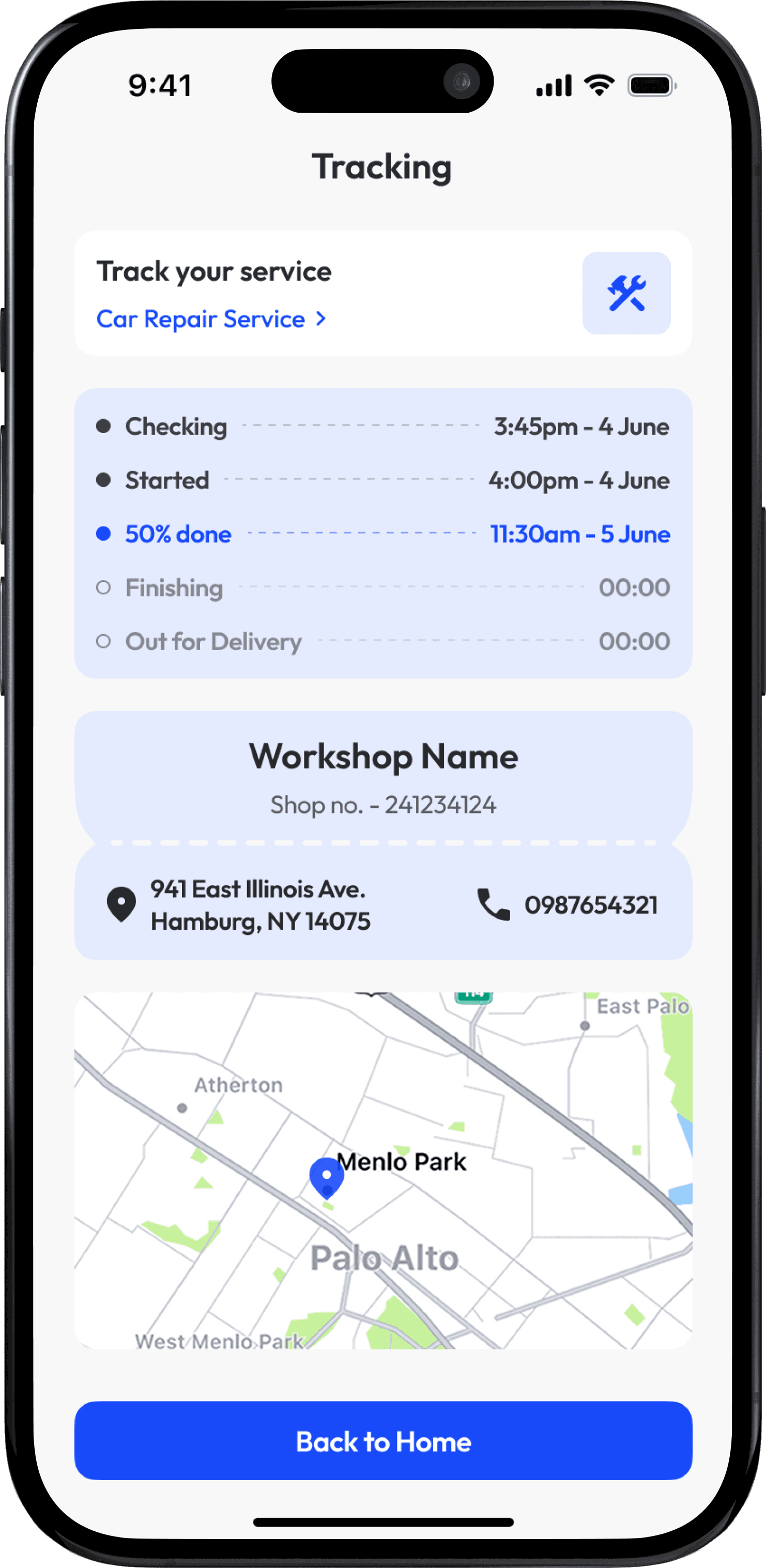
Real-Time Updates – Get repair status, cost breakdowns, and estimated completion times.
Why it Matters?
AutoCare saves time and builds trust with transparent pricing, verified options, and real-time tracking.
design process
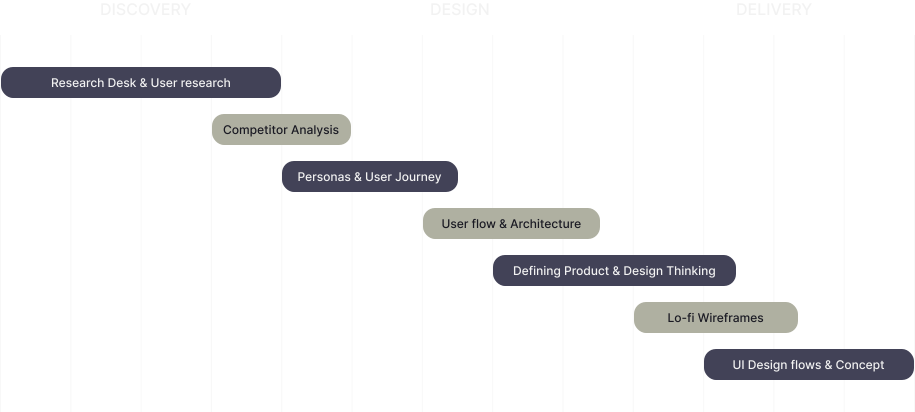
Following the design processes doesn't just give users an intuitive and pleasurable experience - it poses an opportunity for designers to iterate and improve their designs.
I interviewed 20 car owners to uncover challenges in booking services, buying parts, and renting cars. The goal was to identify pain points and design a seamless, transparent, and efficient car care solution.
Primary Research
20 Users Surveyed
62% – struggle to find reliable mechanics.
53% – are frustrated with delayed service updates.
48% – demand better pricing transparency.
Secondary Research
The global car care market is growing at 4.5% CAGR.
Trends
Rise of DIY car enthusiasts.
Increasing demand for app-based rental services.
Competitor Analysis
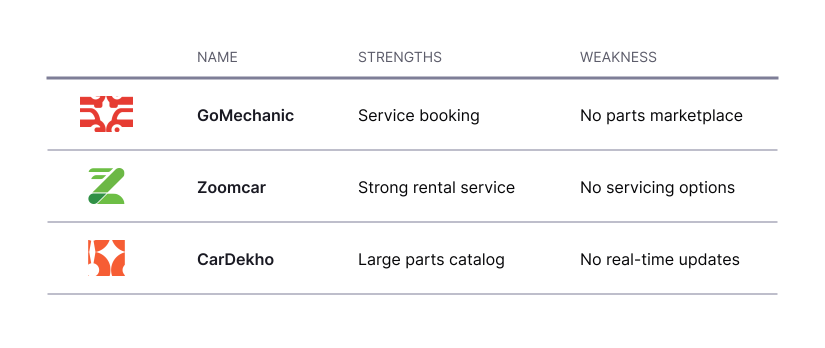
Gap Identified
Unique Edge – A unified platform combining services, parts, and rentals with real-time transparency.
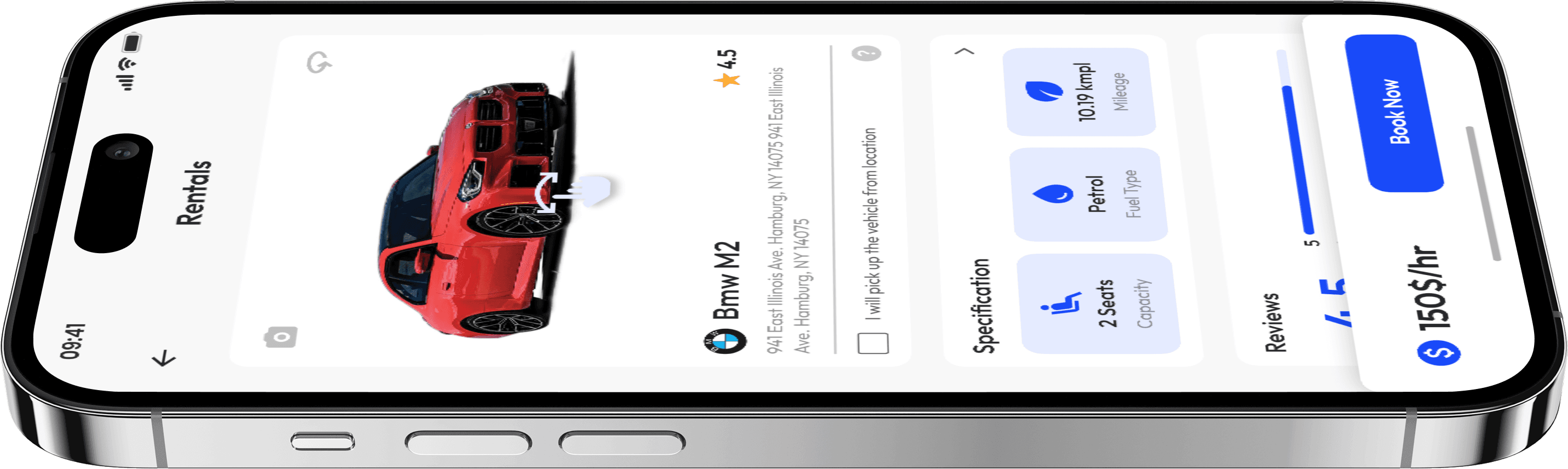
I establish the essential design goals & key features based on the research data gathered from my interviews & competitor analyses. These will become my focus points when planning the designs for this project.
Defining the Ideal User
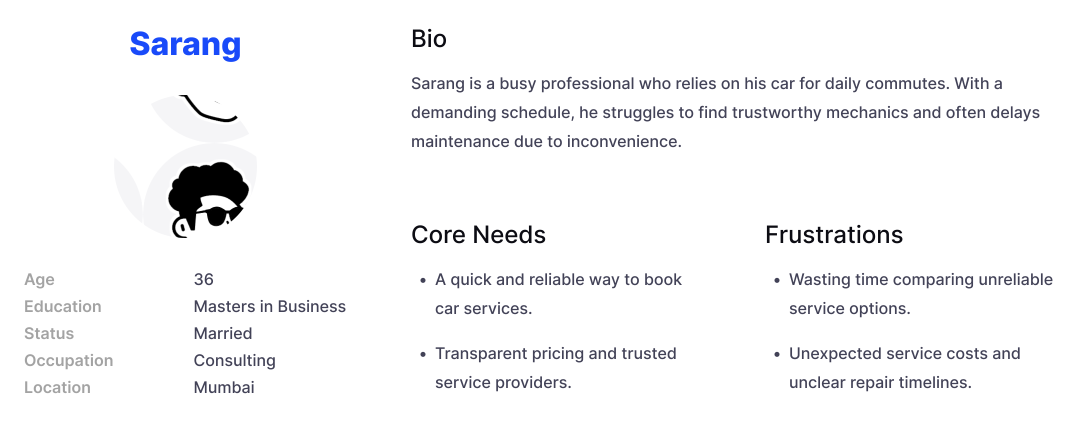
User Persona
I created a user persona to represent the ideal car care app user, based on insights. By synthesizing this data, the persona reflects user preferences, challenges, and behaviors, ensuring a more focused and effective design solution.
Mapping the User Experience
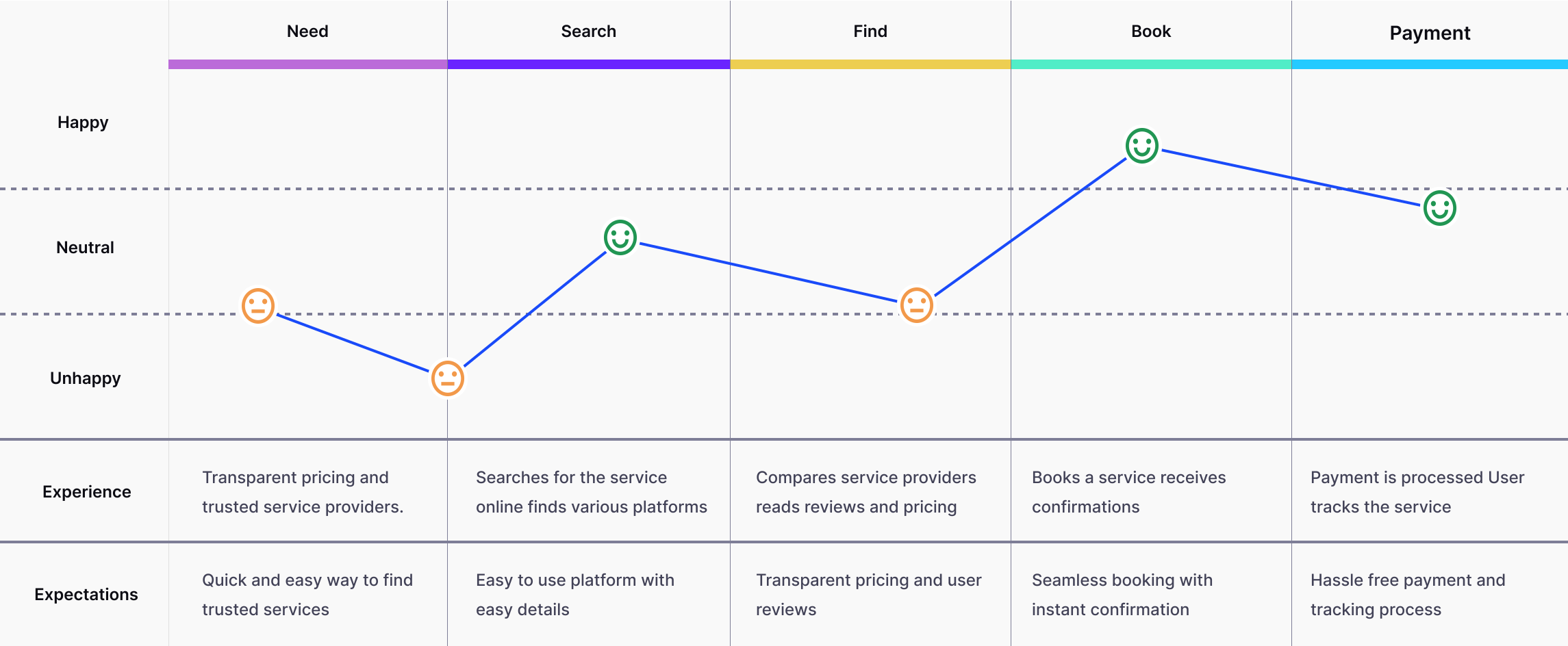
User Journey
I mapped how users navigate booking services, purchasing car parts, and renting vehicles, identifying pain points and emotional highs and lows. This helped refine the design for better usability, trust, and overall experience.
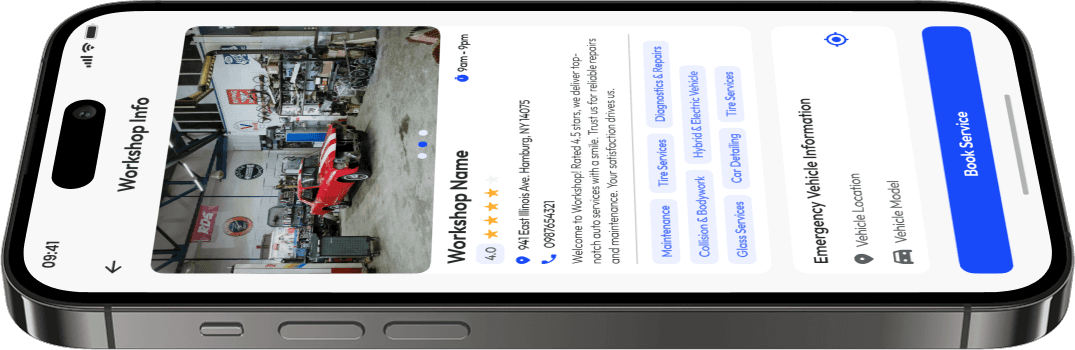
I structured data collection based on user needs, organizing services logically to ensure smooth processes. By structuring data efficiently, we ensured seamless interactions and intuitive navigation.
Predicting the Flow
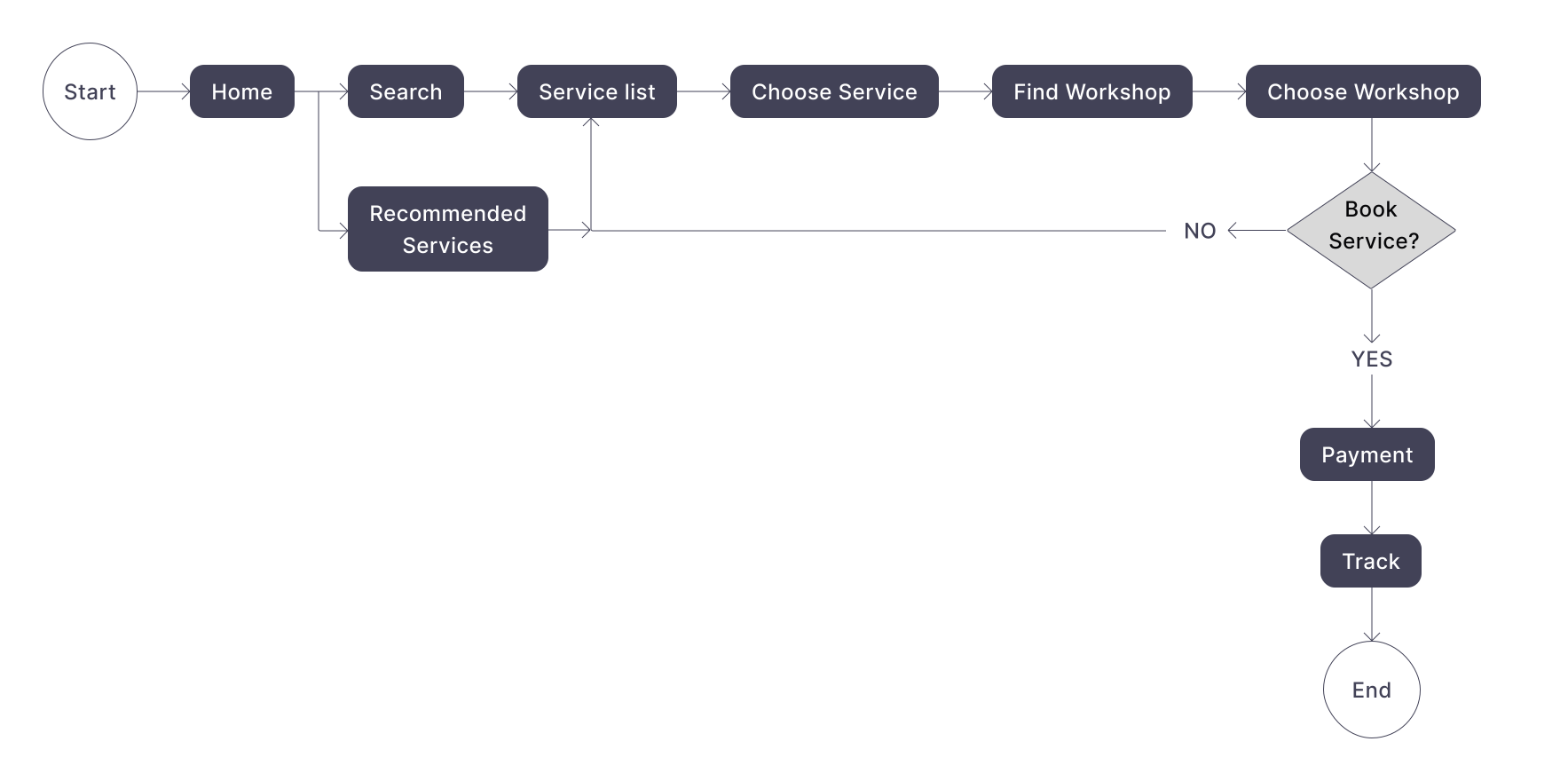
User Flow
Starting from the Home screen I created a User Task Flow-Chart that illustrates the various navigation paths a user may take to book a service. It was important to define & clarify the many task flows users can take to create & post their dream journal entries.
Creating a Blueprint
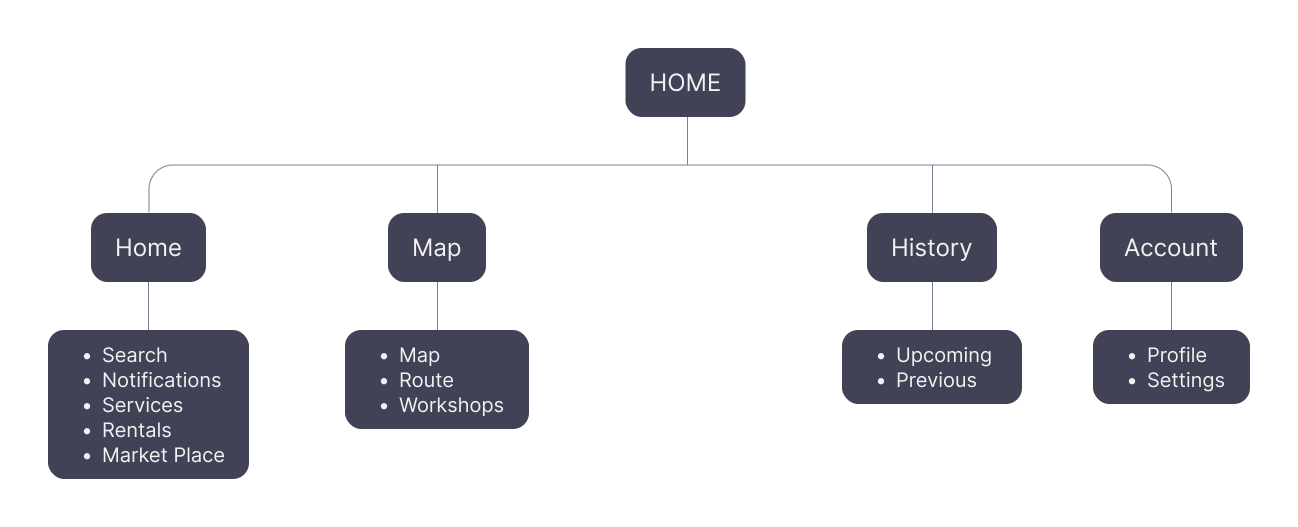
Site Map
Based on the key features I mapped out where the main categories & subcategories should be located on the app & how they need to be connected.
design Goal
Flexible
Seamlessly adapt to variable level of information
Simple
Clean out the Clutter, and help users complete their task
Coherent
Prioritizing user services and flow over isolated information
The experience review helped us define our focus areas for creating this newly platform.
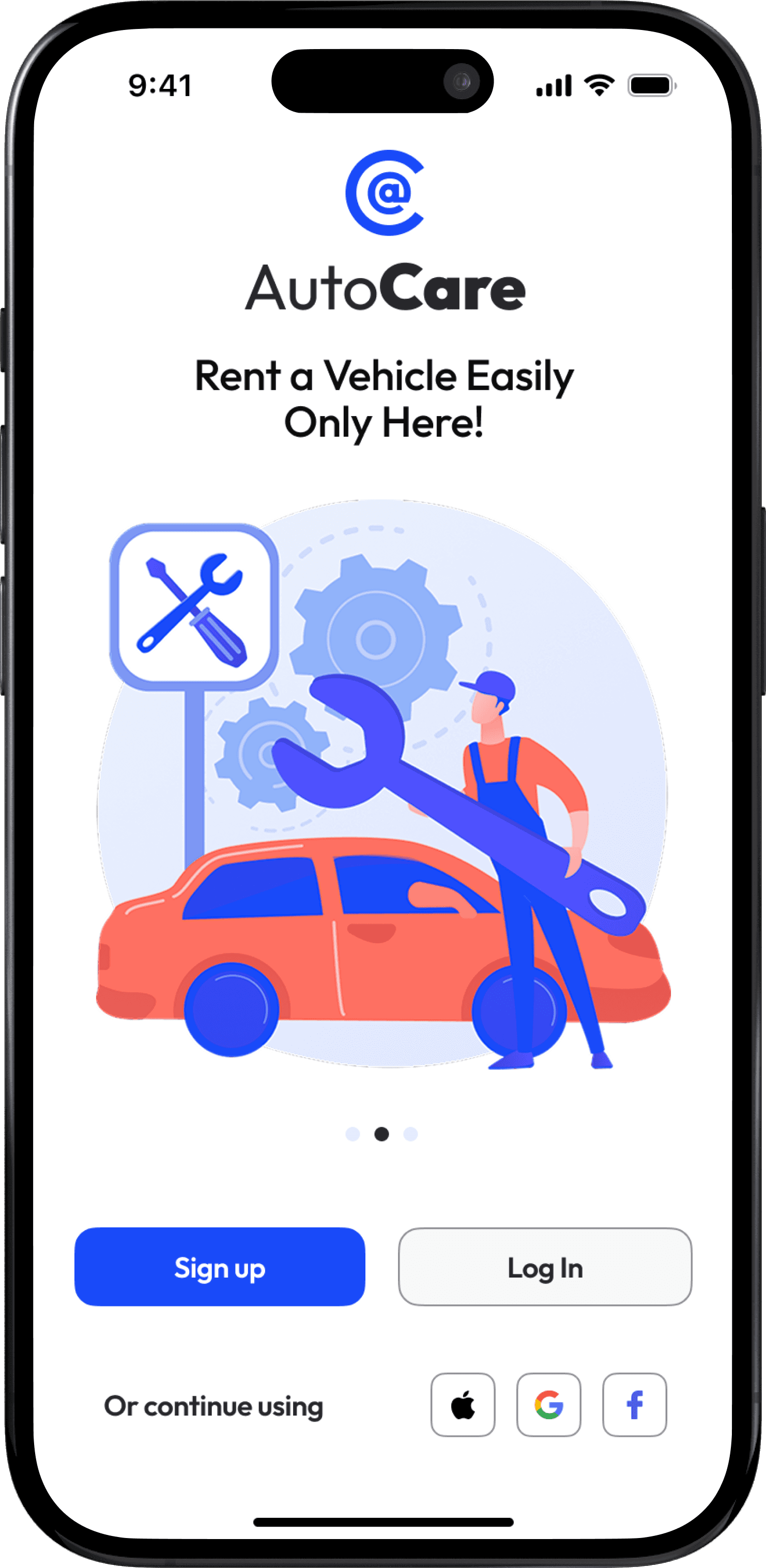
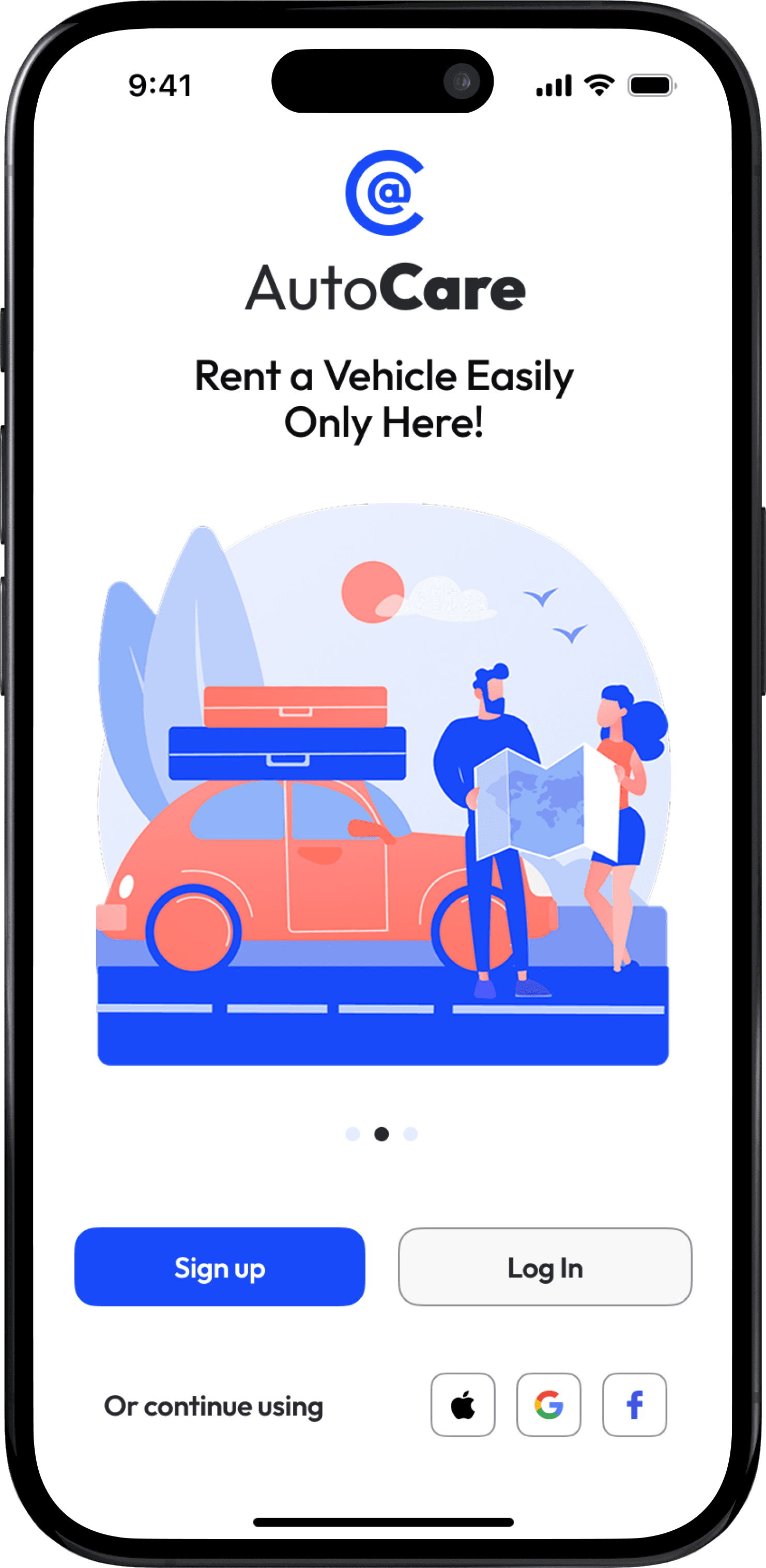
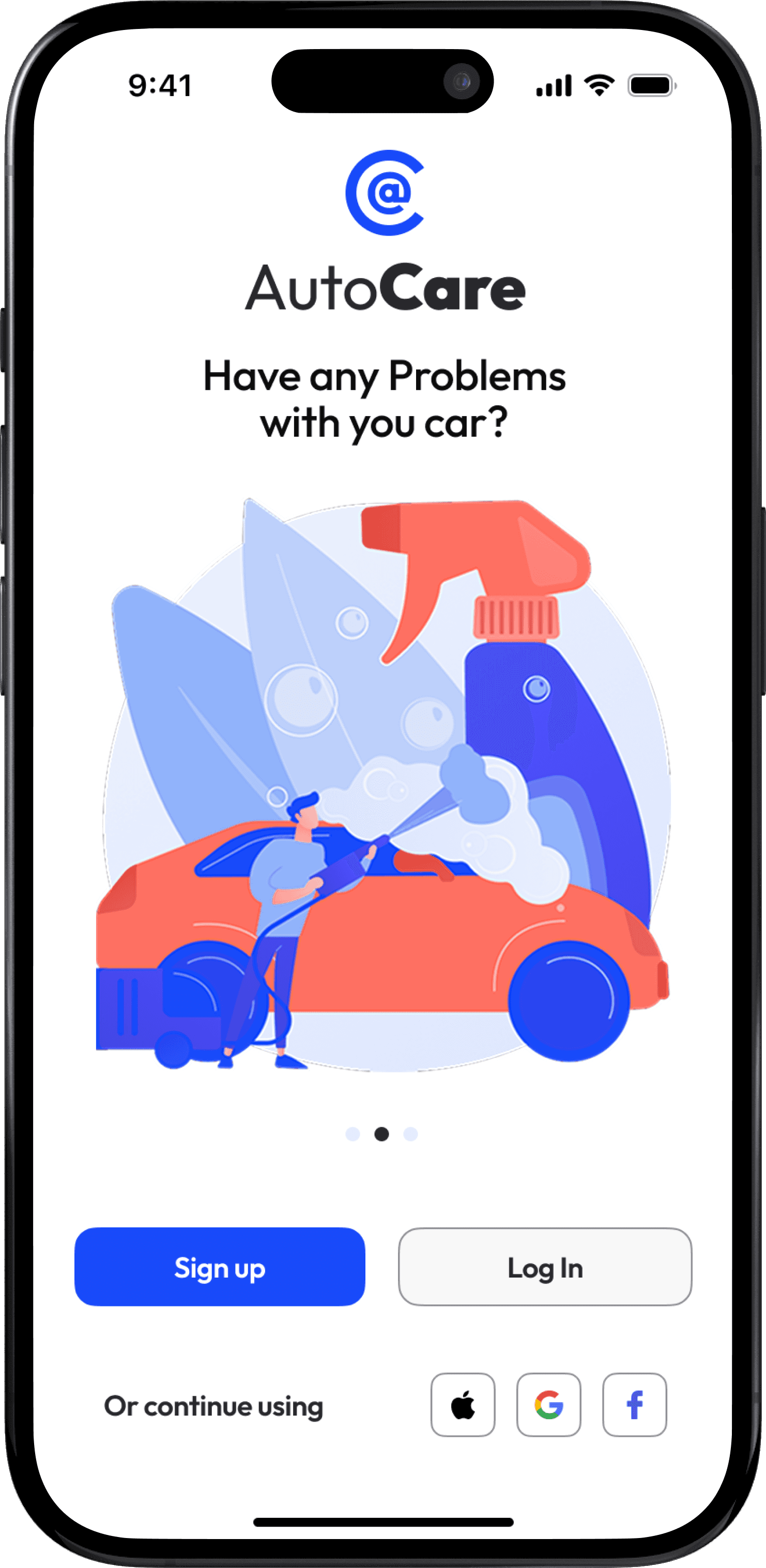
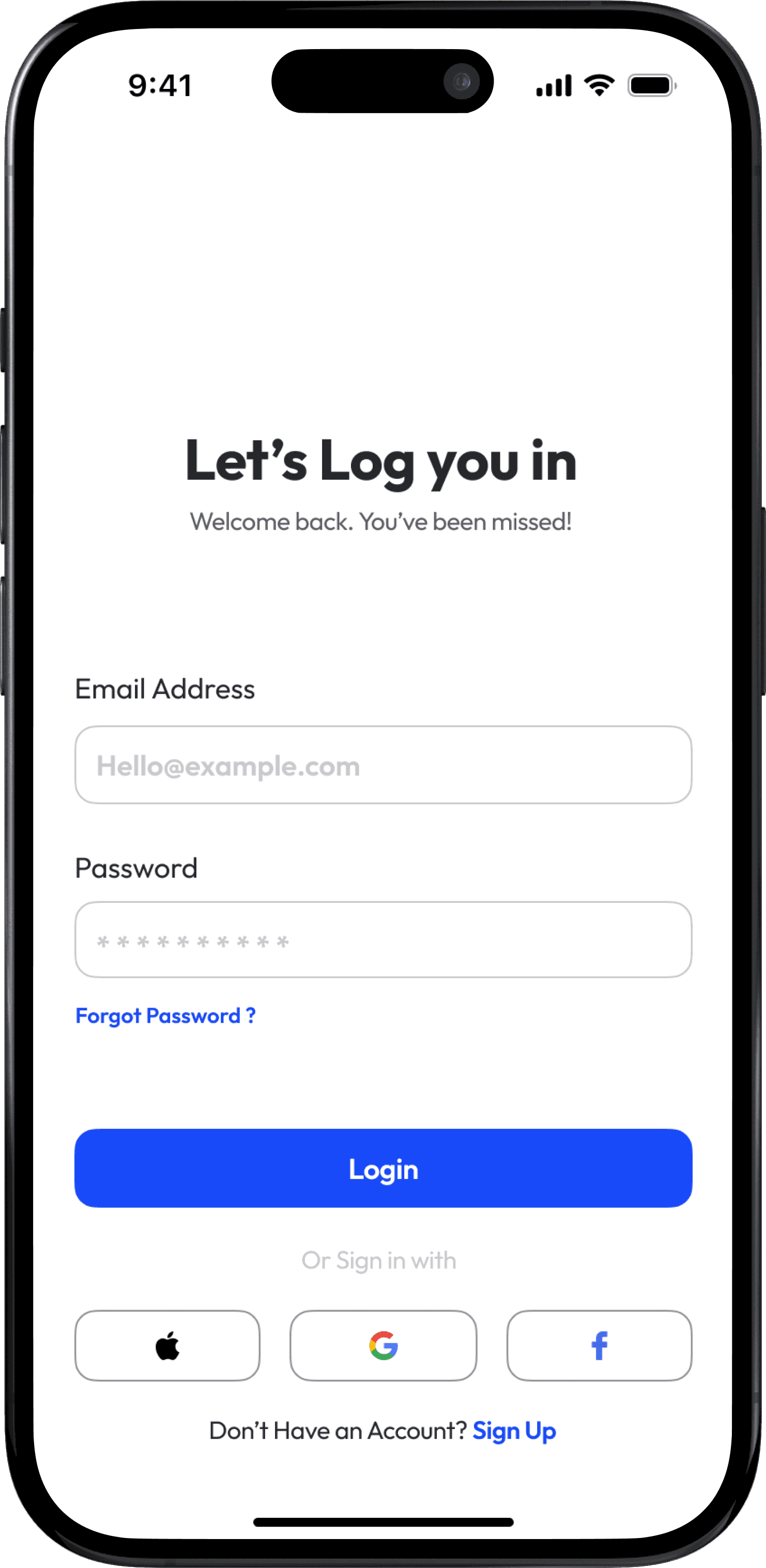
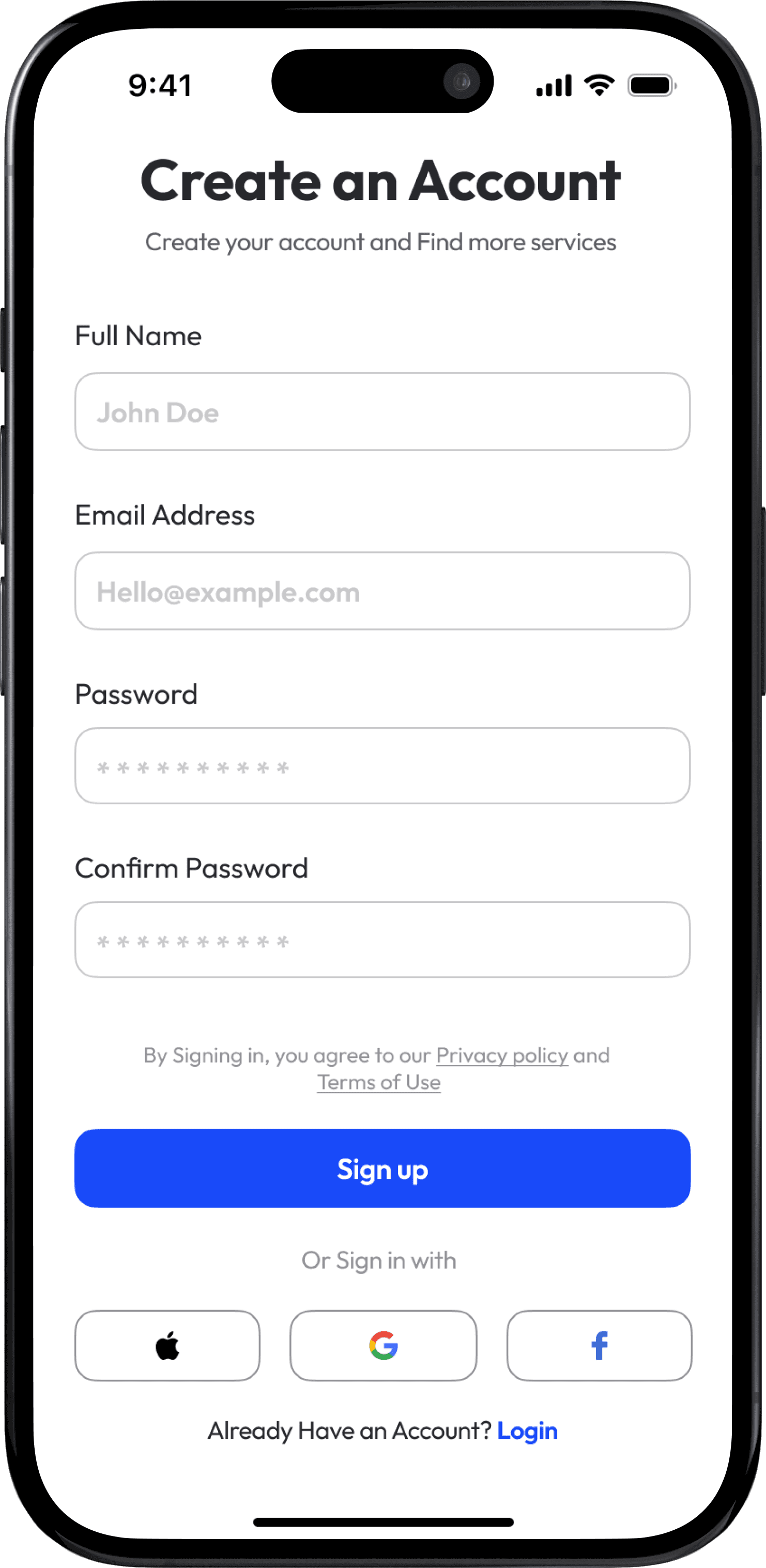
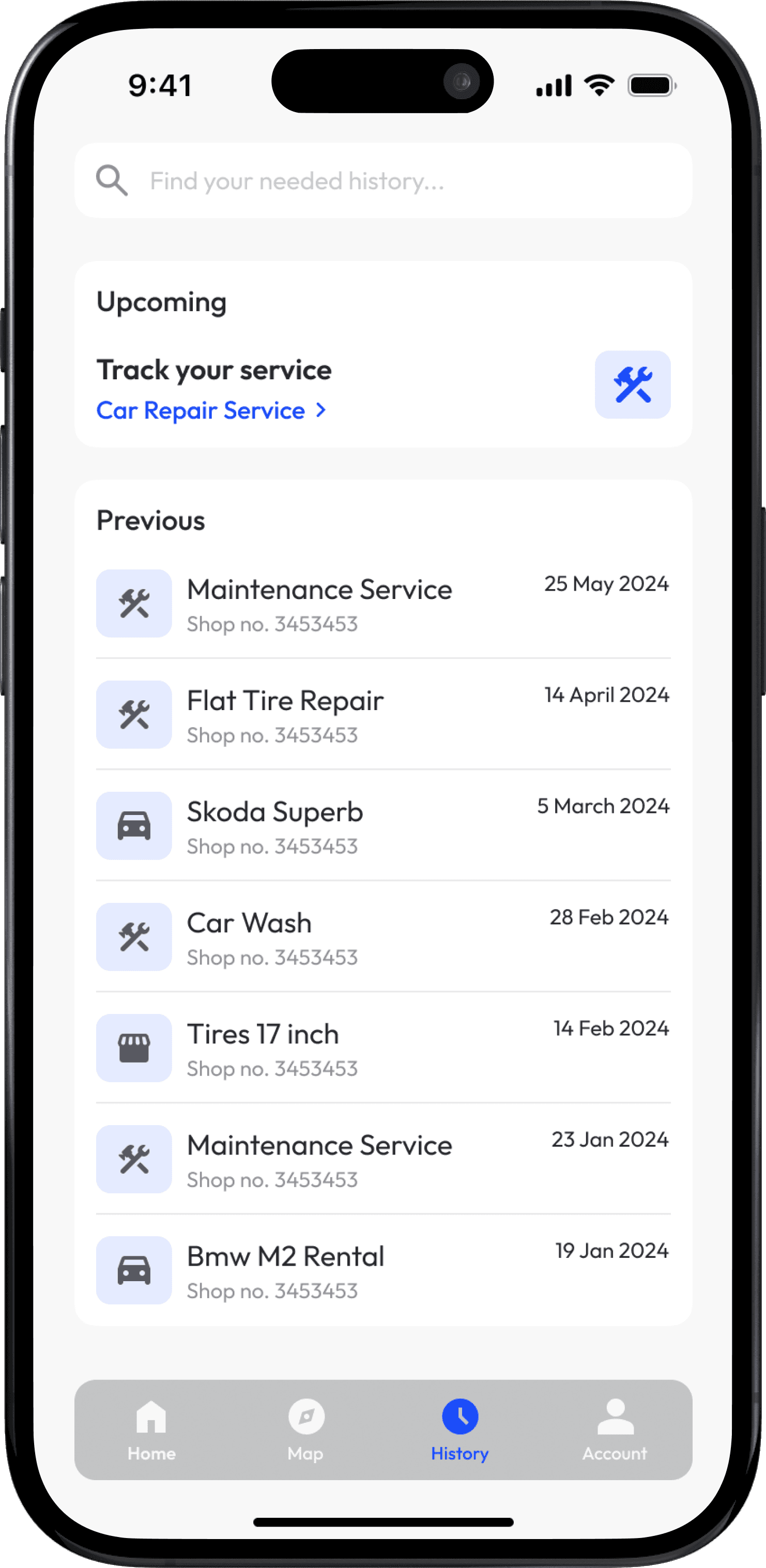
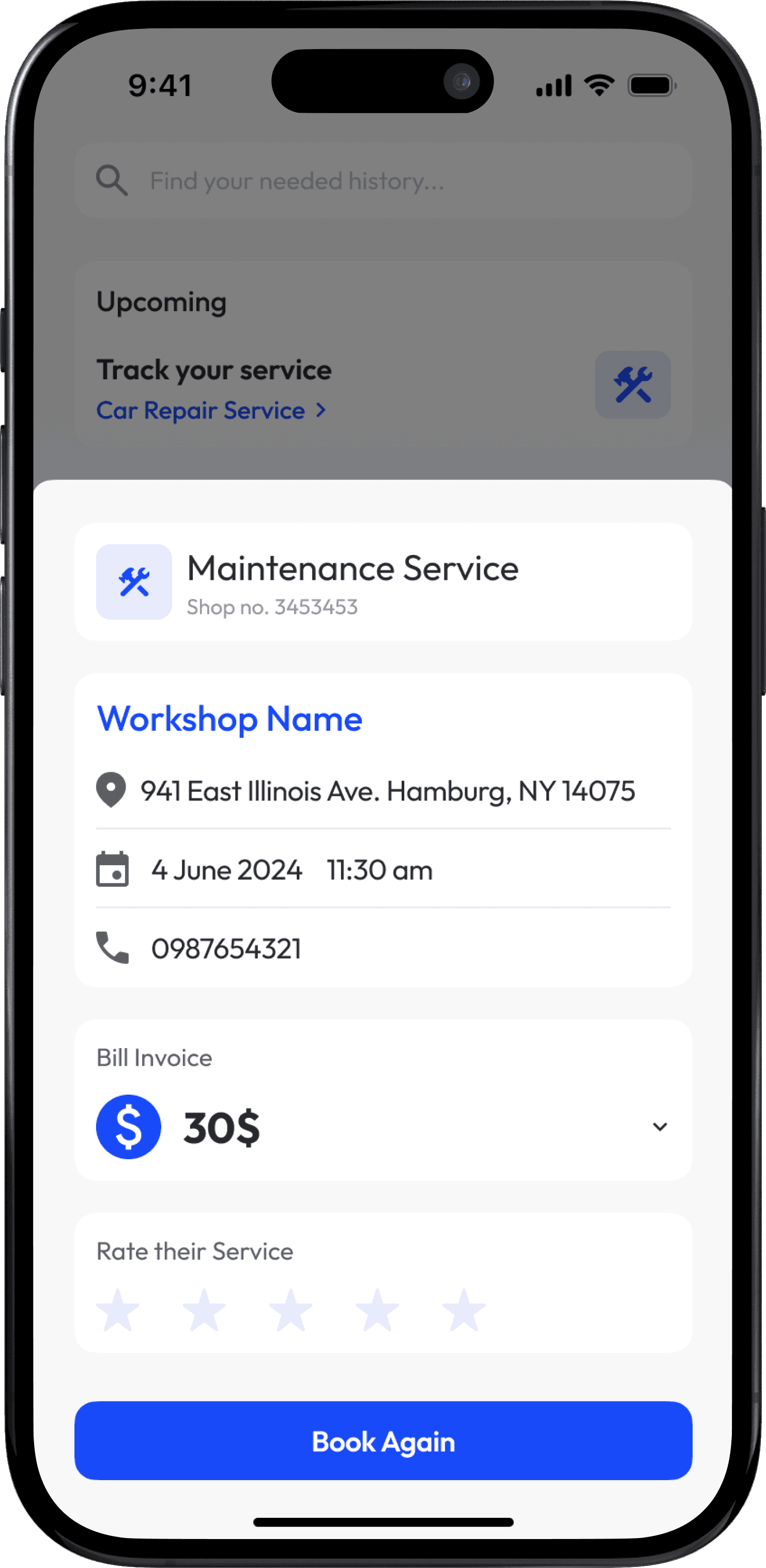
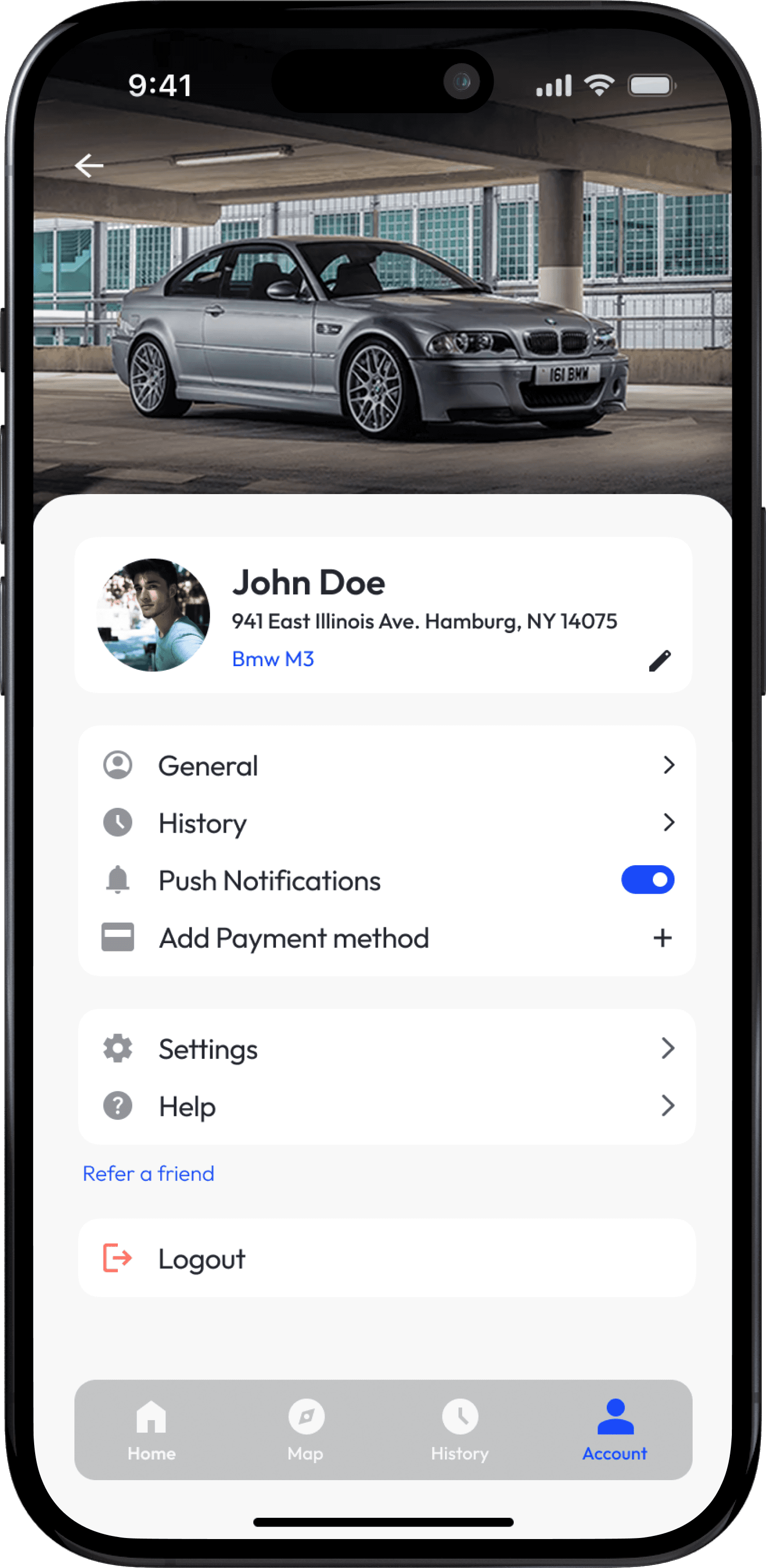
From Wireframes – Low Fidelities – Iterations – High Fidelities – Final Screens
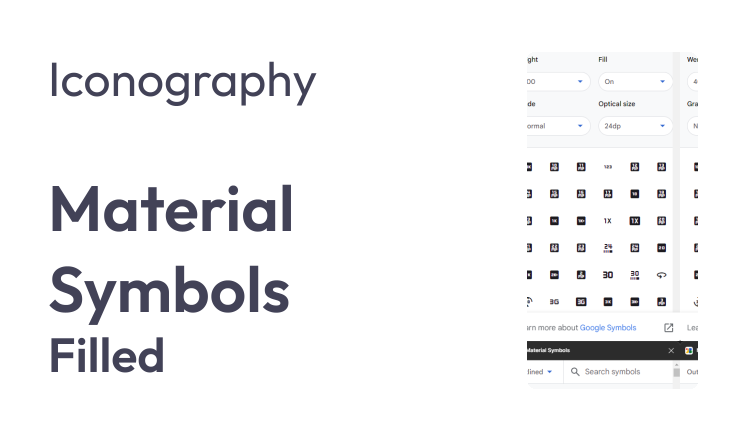
Style Guide
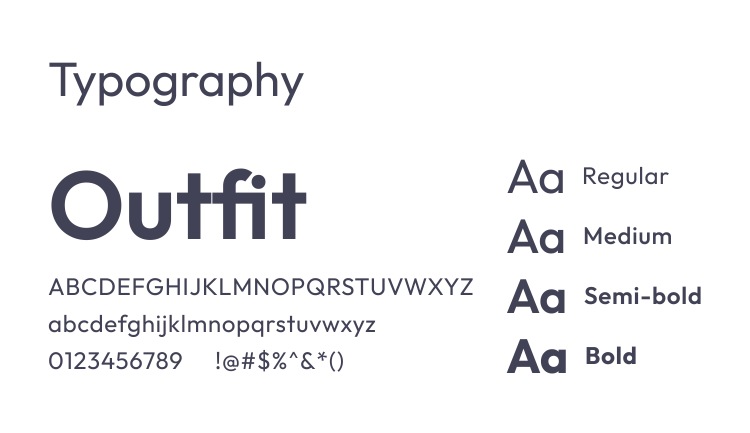
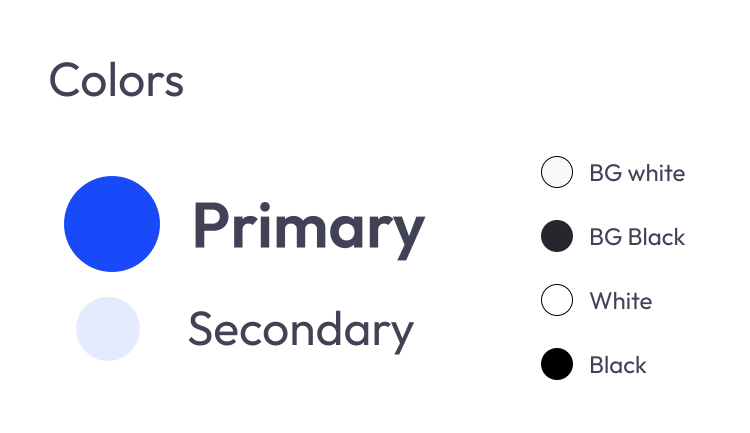
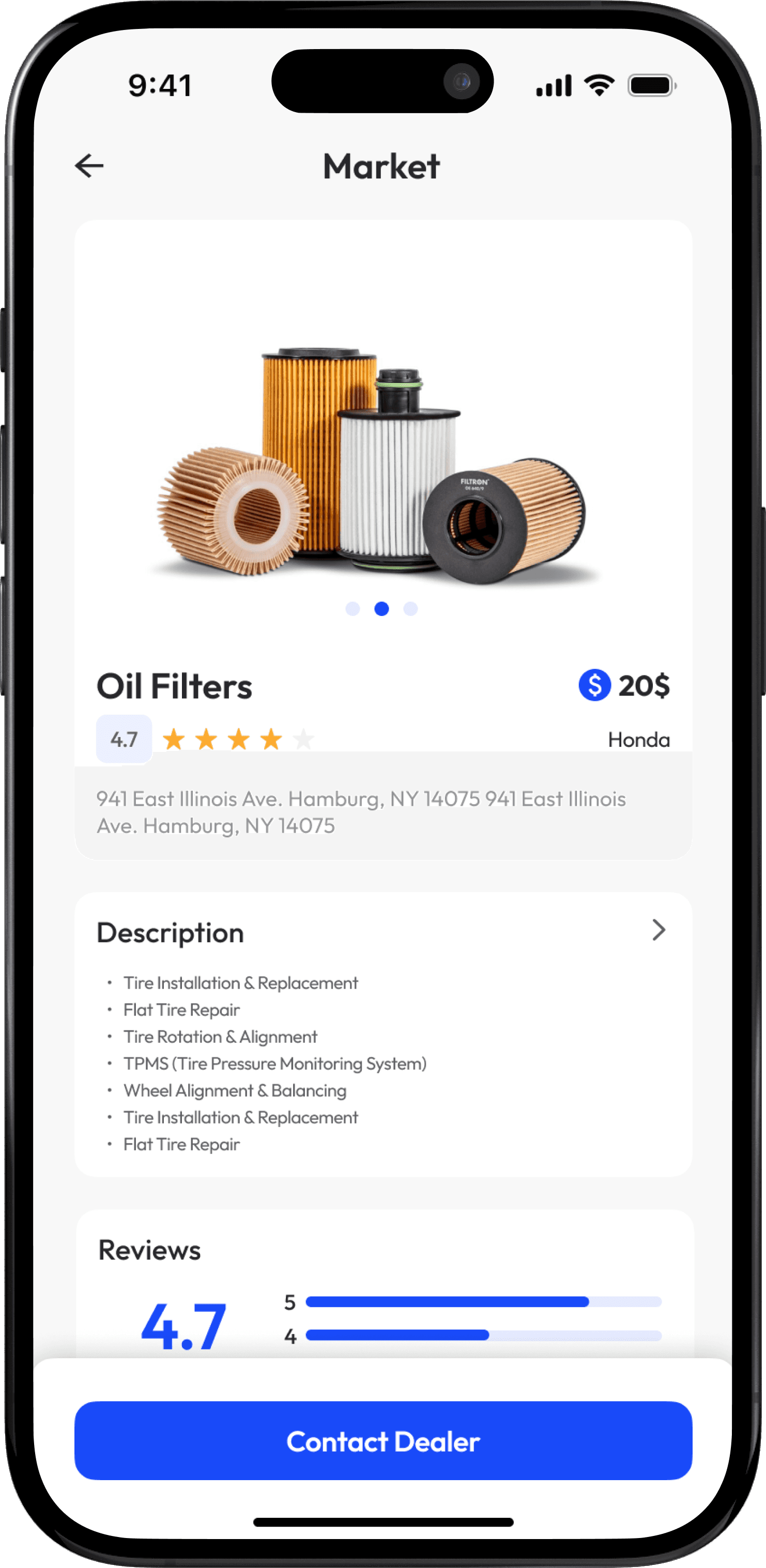
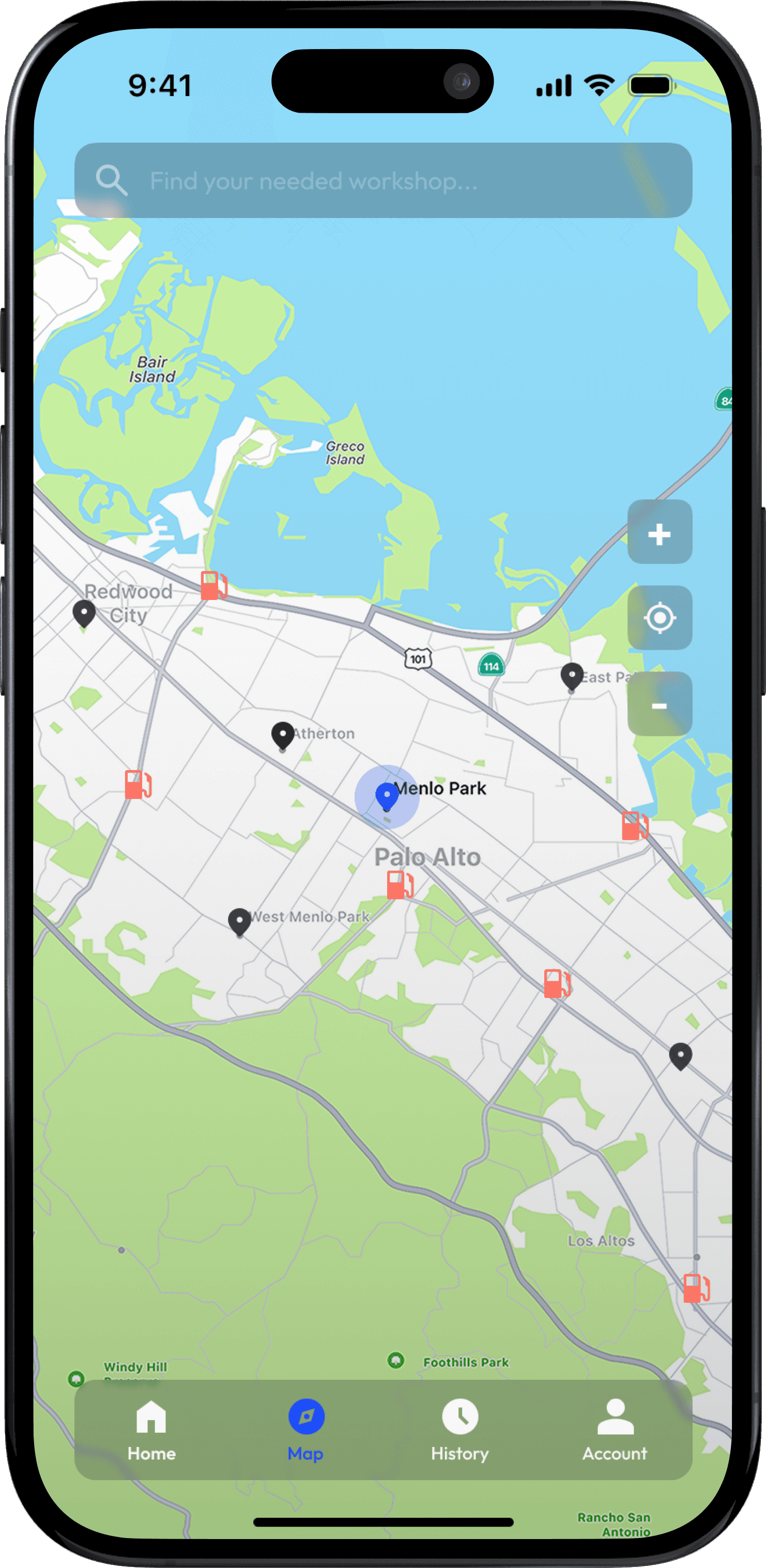
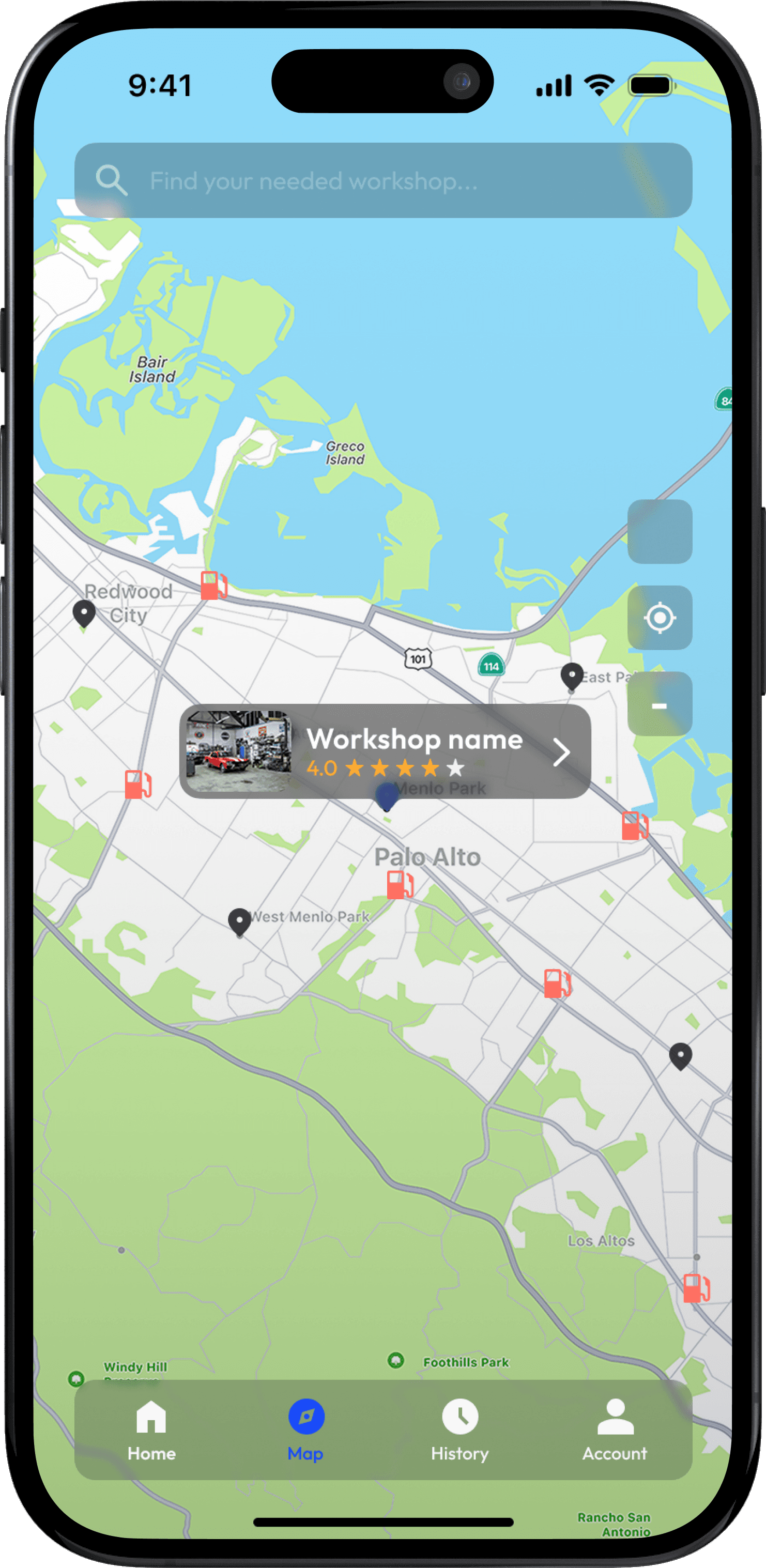
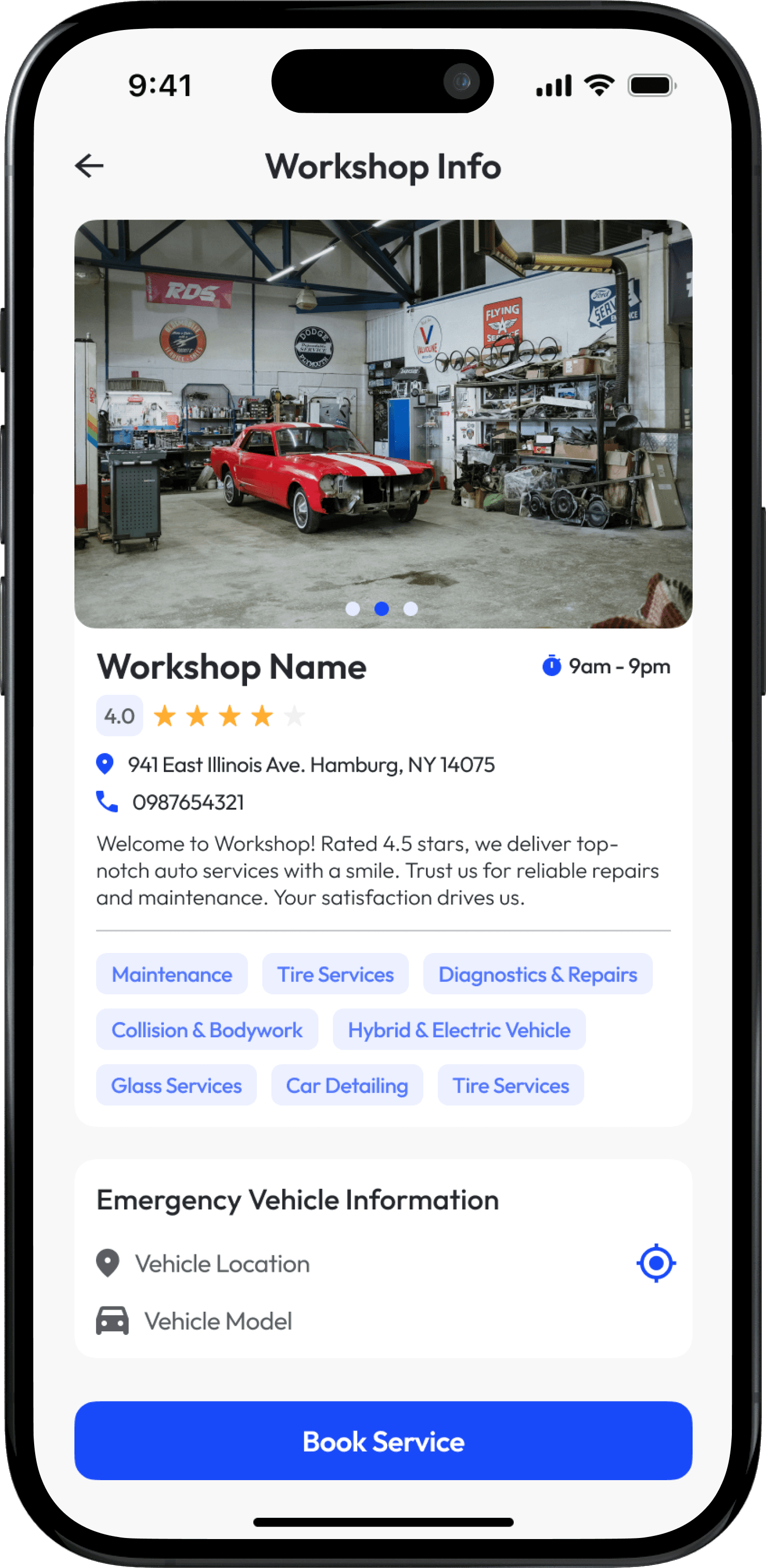
Balancing Pace and Perfection
Striking the right balance between speed and quality was essential. Iterative design allowed us to maintain efficiency while refining the user experience.
User Trust and Transparency
A key learning was that users prioritize trust in car service providers. Features like verified reviews and real-time tracking significantly improved confidence in the platform.
Scalability and Future Growth
Designing a modular system enabled easy expansion for additional services like EV charging stations, ensuring long-term adaptability.